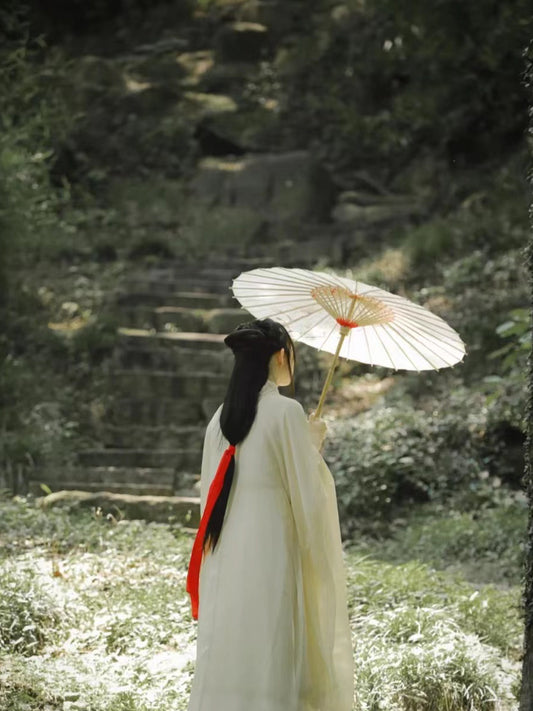
Among China’s many traditional festivals, the Qingming Festival (also known as Tomb Sweeping Day) occupies a uniquely delicate position. It is both one of the 24 solar terms and one of the most important ancestral festivals. It combines solemn remembrance with joyful spring outings, blending Confucian values of honoring ancestors with Daoist harmony with nature.
This duality—grief without despair, joy without excess—makes Qingming a deeply meaningful cultural phenomenon. Since 2008, it has been officially recognized as a national public holiday in China, alongside the Spring Festival, Dragon Boat Festival, and Mid-Autumn Festival.
1. From Solar Term to Cultural Symbol
1.1 The Meaning of “Qingming”
The term “Qingming” literally means “clear and bright.” It originated from ancient observations of seasonal changes. According to early Chinese texts, this period marks a time when nature becomes clean, vibrant, and full of life.
Occurring around April 4–6 each year, Qingming signals rising temperatures and increased rainfall—ideal conditions for spring farming. Traditional sayings such as “Plant melons and beans around Qingming” reflect its agricultural importance.
1.2 Evolution into a Festival
Qingming evolved from a solar term into a major festival through its fusion with two older traditions: the Cold Food Festival and the Shangsi Festival. By the Tang Dynasty, these customs merged into the modern Qingming Festival.
During this time, tomb sweeping became officially recognized as a formal ritual, solidifying Qingming’s role as a national day of remembrance.
2. The Legacy of the Cold Food Festival
2.1 The Story of Jie Zitui
The legend of Jie Zitui is central to Qingming’s cultural meaning. A loyal follower of Duke Wen of Jin, Jie once sacrificed his own flesh to save his lord. Later overlooked for rewards, he withdrew into the mountains and ultimately perished in a fire set to force him out.
In remembrance, the Cold Food Festival was established, during which no fire was used and only cold food was eaten. This story infused Qingming with themes of loyalty, sacrifice, and integrity.
2.2 Cold Food Traditions
Although the custom of avoiding fire has largely faded, traditional foods remain. These include cold pastries, fried dough snacks, and symbolic items like swallow-shaped buns, representing renewal and remembrance.

3. Spring Renewal and Outdoor Traditions
3.1 Ancient Spring Rituals
The Shangsi Festival contributed the joyful aspect of Qingming. Ancient people gathered near rivers for purification rituals and later for leisure activities such as poetry, games, and picnics.
3.2 Harmony of Mourning and Joy
After visiting ancestral graves, families often continue the day with spring outings (Taqing), enjoying nature, food, and companionship. This reflects the balance between honoring the past and embracing life.
4. Honoring Ancestors: The Heart of Qingming
4.1 Tomb Sweeping Tradition
Tomb sweeping is the core practice of Qingming. Families clean graves, offer food and flowers, and perform rituals to honor their ancestors. This tradition dates back over 2,000 years.
4.2 Cultural Significance
This practice embodies the Confucian principle of “respecting the past and honoring ancestors.” It strengthens family bonds and preserves cultural memory.
Modern adaptations include eco-friendly offerings such as flowers and digital memorials, reflecting evolving values while maintaining tradition.

5. Celebrating Life in Spring
5.1 Spring Outings (Taqing)
Qingming is also a time to reconnect with nature. People hike, picnic, and enjoy blooming landscapes, symbolizing renewal and vitality.
5.2 Kite Flying
Flying kites is a popular activity. Traditionally, people would release kites and cut the string to let them drift away, symbolizing the release of misfortune.
5.3 Willow Branch Traditions
Wearing or placing willow branches is believed to ward off evil and bring protection, reflecting ancient beliefs tied to nature and spirituality.
5.4 Traditional Games
Activities like ancient football (Cuju) and swinging were also popular during Qingming, especially in historical periods.
6. Seasonal Foods: Taste of Qingming
6.1 Qingtuan (Green Rice Balls)
In southern China, Qingtuan is the iconic Qingming food. Made with glutinous rice and herbal juice, these green dumplings symbolize spring and renewal.
6.2 Fried Snacks and Festival Treats
In northern regions, crispy fried dough snacks are common, often prepared for both offerings and outdoor meals.
6.3 Fresh Seasonal Ingredients
Seasonal delicacies like river snails are also enjoyed, reflecting the connection between food and seasonal cycles.
7. Qingming in Classical Poetry
Qingming has inspired countless poets. One of the most famous poems captures its essence:
“A drizzling rain falls like tears on Qingming Day;
The mourner’s heart is going to break on his way.
Where can a tavern be found to drown his sad hours?
A cowherd points to a village among apricot flowers.”
This poem beautifully expresses the blend of sorrow and gentle beauty that defines the festival.

8. Qingming in Modern Society
8.1 National Holiday
Since 2008, Qingming has been a public holiday in China, allowing families to travel and honor their ancestors.
8.2 Modern Innovations
New practices such as online memorials, community ceremonies, and eco-friendly rituals are becoming increasingly popular.
8.3 Cultural Continuity
From family traditions to national commemorations, Qingming continues to evolve while preserving its cultural essence.
Conclusion: A Festival of Memory and Renewal
The Qingming Festival is both a moment to remember the past and to embrace life. It bridges memory and renewal, sorrow and joy, tradition and modernity.
As spring rains fall and flowers bloom, people gather to honor their ancestors and reconnect with nature. Qingming remains a living tradition—one that continues to carry the spirit of Chinese civilization into the present day.
References
- Hunan Daily. Qingming Cultural Origins.
- China Culture Daily. Qingming Customs.
- The Paper. Qingming Traditions Analysis.
- Chinese Folklore Network. Evolution of Qingming Festival.
- People's Daily. Qingming Infographic.
- CGTN. Qingming Festival Overview.
- China Story. Qingming Festival Cultural Insights.