A Guide to China's Enduring Philosophy
1. Who Was Confucius?
Confucius, born Kong Qiu in 551 BCE, was a philosopher and teacher during a period of political turmoil known as the Spring and Autumn Period. He came from a family of low aristocratic status and was known from a young age for his fondness for ceremony and learning. He dedicated his life to teaching and traveling through Chinese provinces in search of a ruler who would implement his ideas. He is considered the "first teacher" in China to break the nobility's monopoly on education.
2. Interesting Facts About Confucianism
| Fact Category | Details |
|---|---|
| Origin | Confucianism was founded by Confucius (551-479 BCE), but it was only later that his teachings were compiled into texts. |
| Core Text | The Analects is the primary source of Confucius's teachings, compiled by his students 70 to 80 years after his death. |
| State Ideology | In the second century BCE, Confucianism became the official state ideology of China and remained so until the early 20th century. |
| Golden Rule | Confucianism has its own version of the golden rule: "Do not inflict on others what you yourself would not wish done to you." |
| Humanism | Confucianism focuses on the "secular as sacred," emphasizing the practical importance of family and self-cultivation over a belief in gods. |
| Five Classics | Confucianism includes the Five Classics, which represent five visions: the metaphysical, the poetic, the political, the social, and the historical. |
| Rebranding | The term "Confucianism" is a Western coinage; the Chinese refer to it as "Ruism" or "the scholarly tradition." |
| Confucius Didn't Write | Confucius never wrote down his teachings; his students recorded them in the Analects. |
3. The Core Concepts of Confucianism
The teachings of Confucianism are based on a few essential concepts. Ren (benevolence or humaneness) is the most important virtue, representing care for other people and a genuine desire for their well-being. In the Analects, Confucius says "benevolence means to love people." This virtue is what makes life valuable; a life without benevolence is seen as a life without dignity. Li refers to ritual propriety, which encompasses everything from etiquette and social roles to the rites of life and death. Confucius believed that if people behave with propriety, they will order themselves harmoniously. Yi is righteousness and the moral disposition to do good. The concept of filial piety highlights the importance of respecting one's parents and ancestors, which is central to Chinese social order.
4. The Five Classics and the Vision of Confucianism
Traditionally, Confucius was thought to be the author or editor of the Five Classics, which formed the foundational texts of Confucianism. These texts are the I Ching (Classic of Change), representing a metaphysical vision; the Classic of Poetry, representing a poetic vision; the Book of Documents, representing a political vision; the Book of Rites, representing a social vision; and the Spring and Autumn Annals, representing a historical vision. These five works provided the framework for Confucian thought and governance.
5. Confucianism's Influence and Modern Legacy
Confucianism has profoundly influenced Chinese society, politics, and culture for over two millennia. It also had a significant impact on other East Asian cultures, including Korea, Japan, and Vietnam. However, in the 19th and 20th centuries, Confucianism was criticized for being an obstacle to democracy and economic development, and some intellectuals blamed it for China's "backward" conditions. The civil service examination system, which was based on Confucian texts, was abolished in 1905. Despite this, many people continue to turn to Confucian teachings for guidance in their daily lives, and there has been a modern resurgence of interest in the tradition. Today, few people identify themselves as Confucians, but the philosophy's principles remain deeply embedded in East Asian culture and social norms.
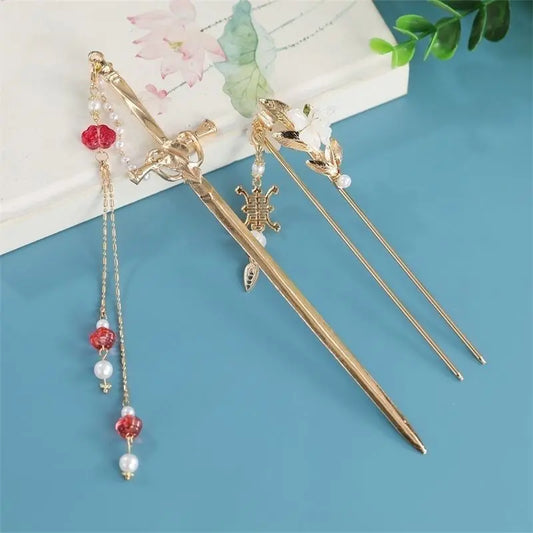
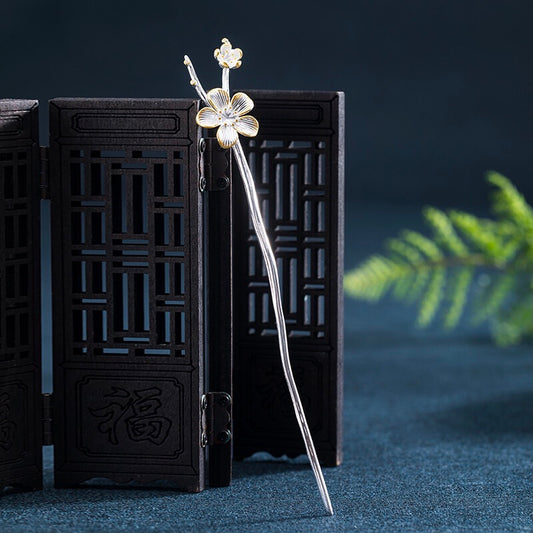
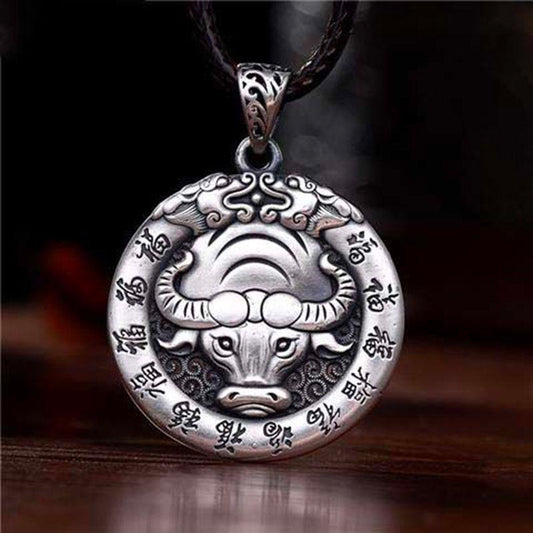
🏮 Confucianism's emphasis on harmony, respect, and virtue has shaped Chinese culture for millennia. Just as these principles have guided social conduct, traditional Chinese jewelry embodies the artistry and cultural heritage of this enduring tradition.
📌 Frequently Asked Questions (FAQ)
• Hartford Institute for Religion Research. "Confucianism."
• SAGE Publishing. "Confucianism." (2007).
• Cambridge University Press. "The Cambridge History of Confucianism."
• Britannica Kids. "Confucius."
• SAGE Publishing. "Confucius (C. 551–479 Bc)." (2007).
• Routledge Encyclopedia of Philosophy. "Chinese Philosophy: Confucius and Confucianism." (1998).
• NLB eResources. "Confucianism."
🔗 Explore more Chinese cultural heritage at Chinese Showcase.