Complete Guide to Rituals, Customs & Symbolism
1. The Philosophical and Historical Roots

Chinese wedding traditions are grounded in thousands of years of history, Confucian philosophy, and folk beliefs. The primary purposes of a traditional Chinese marriage were to continue the family lineage, honor ancestors, and unite two families for social and economic benefit. Unlike the Western emphasis on individual romantic love, traditional Chinese marriage prioritized filial piety, family harmony, and social order. This worldview is reflected in every ritual: the tea ceremony's reverence for parents, the betrothal gifts' demonstration of sincerity, and the color red's power to ward off evil spirits and attract good fortune. While modern Chinese weddings have evolved to incorporate romantic love and personal choice, these foundational values still resonate strongly.
2. The Three Letters and Six Etiquettes (三书六礼)
The complete traditional wedding process follows a classical protocol known as the “Three Letters and Six Etiquettes.” This formal system dates back to the Western Zhou Dynasty (1046–771 BCE) and was historically required for a marriage to be legally and socially recognized. The Three Letters are documents: the Betrothal Letter (聘书), Gift Letter (礼书), and Wedding Letter (迎书). The Six Etiquettes are the sequential steps of the marriage process, summarized in the table below.
The Six Etiquettes (Liù Lǐ 六礼)

| Etiquette | Chinese | Description |
|---|---|---|
| Proposal (Nacai) | 纳采 | The groom's family sends a matchmaker to propose to the bride's family with gifts (traditionally a wild goose, symbolizing loyalty). |
| Birthdates (Wenming) | 问名 | The bride's birthdate and name are requested to have a fortune teller check compatibility with the groom's. If compatible, the process continues. |
| Betrothal Gifts (Naji) | 纳吉 | After favorable divination, the groom's family sends formal betrothal gifts (including gold jewelry, tea, and wedding cakes) to seal the engagement. |
| Dowry (Nazheng) | 纳征 | The groom's family presents substantial gifts (the “Grand Gift”), and the bride's family reciprocates with the dowry (嫁妆). |
| Wedding Date (Qingqi) | 请期 | The groom's family proposes an auspicious wedding date, chosen based on the couple's birthdates and the lunar calendar. |
| Wedding Procession (Qinying) | 亲迎 | The groom travels to the bride's home with a procession to bring her to his family's home for the ceremony. |
In practice today, many couples simplify or skip some of these steps, but the core elements — betrothal gifts, dowry discussion, and the wedding procession — remain common.
3. Pre‑Wedding Rituals: Guo Da Li (Grand Betrothal Gifts)

Guo Da Li (过大礼) is the formal betrothal ceremony usually held a few weeks to a few months before the wedding. The groom's family presents an array of symbolic gifts to the bride's family. Typical items include:
- Gold jewelry — often the “Four Pieces of Gold” (gold necklace, ring, bracelet, and earrings) symbolizing the groom's wealth and commitment.
- Wedding cakes (嫁女饼) — distributed by the bride's family to announce the marriage to relatives and friends.
- Roasted pig (乳猪) — representing the bride's purity and a wish for many children.
- Dragon and phoenix candles — lit during the wedding to symbolize a harmonious union.
- Tea leaves and sesame seeds — signifying that the couple will never be separated.
- Red envelopes (ang pow) — containing money to ensure prosperity.
The bride's family reciprocates with a dowry (嫁妆) including household items, bedding, and sometimes a red sewing box — all to prepare the bride for her new home. A “Dowry List” (嫁妆清单) is written in red ink and presented for good luck.
4. The Wedding Day: Door Games (堵门)

One of the most lively and entertaining customs is “door games” (堵门, Dǔ Mén). Before the groom can enter the bride's home, his bridesmaids (and the bride‘s family) block the entrance and require him to perform challenges. These are designed to test his love, wit, and determination — and to entertain all involved. Typical challenges include:
- Eating bizarre food combinations (e.g., spicy noodles, wasabi).
- Physical feats (push-ups while holding the bride's photo).
- Reciting long lists of the bride‘s favorite things or her family members’ names.
- Correctly identifying which set of lipstick prints belongs to the bride.
- Promise to love and care for the bride by signing a “love pledge” in front of her parents.
After successfully passing the games, the groom presents red envelopes (ang pow) to the bridesmaids as a token of thanks and good luck. The door games create joyous laughter and relieve pre‑wedding nervousness — they are a beloved, essential part of the day.
5. The Tea Ceremony (敬茶)

The tea ceremony (Jìng Chá) is arguably the most sacred ritual of a Chinese wedding. It is the formal introduction of the couple to each other's families and a public act of gratitude to parents and elders. The ceremony follows these steps:
- The couple kneels or bows before the parents (and sometimes grandparents and senior relatives).
- The groom serves tea to his parents first, then the bride serves tea to hers — expressing filial piety and thanks for raising them.
- After drinking the tea, the parents give their blessings and present red envelopes (hongbao) or gold jewelry to the couple.
- Often, the parents add a gold necklace, pendant, or bracelet to the bride — a token of acceptance and a wish for prosperity.
The tea used is typically sweetened red date tea (红枣茶) or longan tea, symbolizing sweetness and fertility. Dragon and phoenix tea sets are preferred. This ceremony is frequently performed twice — once at the bride's home before leaving for the groom's house, and again at the groom's home upon arrival. Today, many couples combine both families in one ceremony at the wedding venue.
6. The Wedding Attire: Red, Dragons, and Phoenixes
The bride traditionally wears a red dress — either a qipao (cheongsam) or a two‑piece qungua (裙褂). The qungua is heavily embroidered with gold and silver thread, featuring dragons (for the groom) and phoenixes (for the bride). Together, these mythical creatures symbolize perfect yin‑yang balance and marital harmony. Many brides change multiple times throughout the day: starting with a white Western gown for the morning, switching to a red qungua for the tea ceremony, and ending with an evening gown for the banquet. The groom typically wears a black or dark suit with a red tie, or a traditional changshan (long jacket) in silk.
7. The Wedding Banquet (喜宴) and Toasting
The wedding banquet (喜宴, Xǐ Yàn) is a lavish, multi-course meal celebrating the union. It is a way for both families to “show face” and extend gratitude to guests. A traditional banquet includes nine or ten courses (with the number 9 symbolizing eternity, and 10 perfection). Typical dishes may include roasted pig (乳猪), fish (representing abundance), abalone, sea cucumber, and longevity noodles. The couple circulates among the tables to toast with tea or wine, a practice called “敬酒” (Jìng Jiǔ). The bridal party and close friends often play lighthearted games during the toasts. At the end of the banquet, the couple stands at the door to bid farewell to guests, handing out small gifts such as chocolates or wedding cookies (喜糖).
8. Symbolic Wedding Jewelry: The Four Pieces of Gold and More
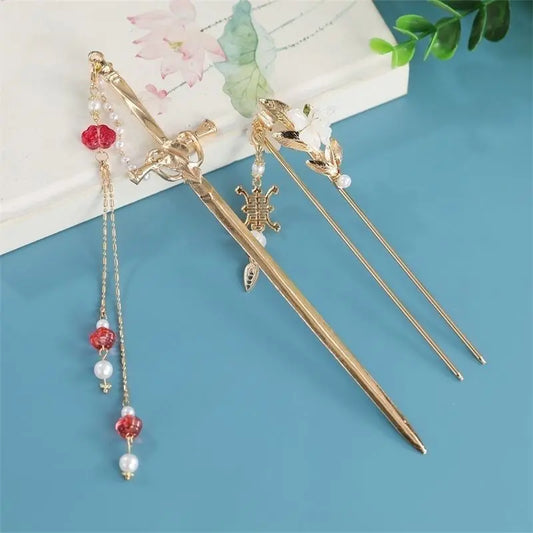
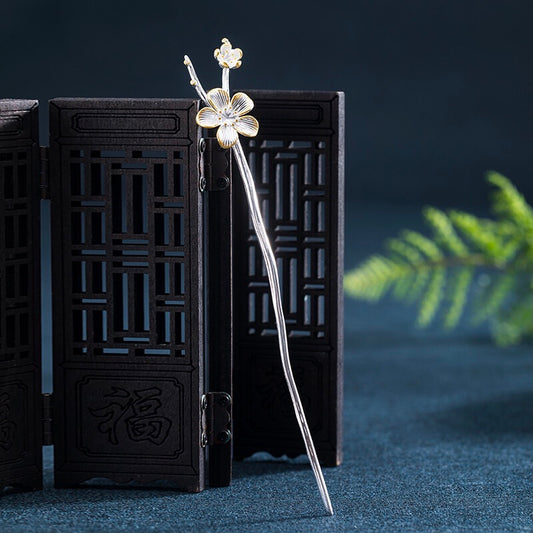
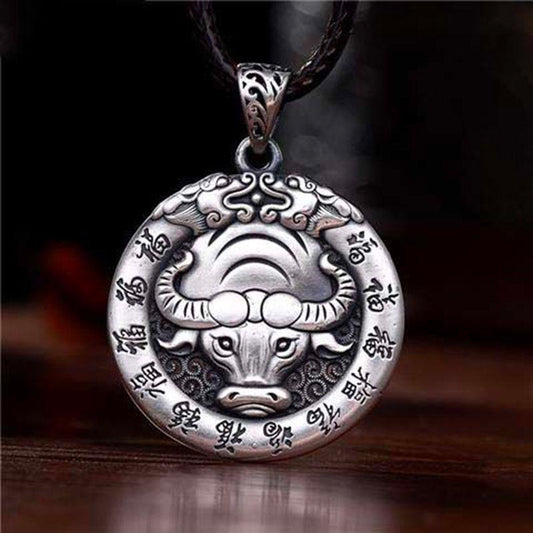
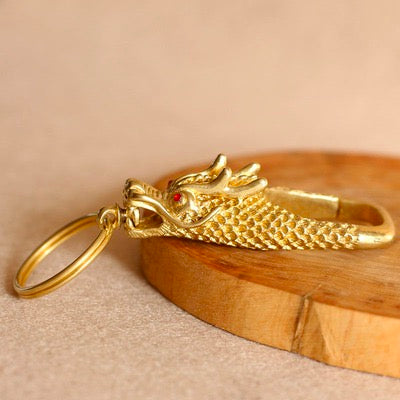
Jewelry is not merely decorative in a Chinese wedding — it carries deep symbolic meaning. The most important traditional set is the “Four Pieces of Gold” (四金, Sì Jīn): a gold necklace, ring, bracelet, and earrings presented by the groom's family during Guo Da Li. Gold represents wealth, purity, and enduring love. The dragon (long) and phoenix (feng) motifs are especially auspicious, often appearing on wedding pendants, bangles, and brooches. Many brides also wear a red string bracelet (红绳) for good luck. Jade pendants are sometimes passed down as heirlooms to symbolize protection and virtue. Today, couples also exchange Western-style diamond rings, but the gold Four Pieces remain a heartfelt tradition.
9. Modern Adaptations and Regional Variations
While the core rituals remain, modern Chinese weddings vary greatly by region, religion, and the couple‘s preferences. In major cities, many couples incorporate Western elements: white wedding gowns, cake-cutting, and exchanging wedding vows. Yet they almost always retain the tea ceremony and red envelopes. Ethnic minorities — such as the Miao, Tibetan, and Uyghur — have their own distinctive wedding customs, often lasting several days. Overseas Chinese communities may simplify rituals while emphasizing the tea ceremony and banquet as a way to connect with heritage. Regardless of adaptation, the underlying values — family unity, respect for elders, and wishes for prosperity and happiness — remain unchanged.
🏮 Planning a Chinese wedding or looking for the perfect bridal gift? Our traditional jewelry collection features the Four Pieces of Gold, dragon-phoenix pendants, and red brooches — all crafted to honor these timeless customs.
📌 Frequently Asked Questions (FAQ)
• White, Vivian. (2023). “Chinese Wedding Traditions: A Complete Guide to Customs & Rituals.” The Bridal Tip.
• Eccleston, Elaine. (2023). “Traditional Chinese Wedding Traditions.” Something Borrowed.
• “Chinese Wedding Traditions and Customs.” China Discovery.
• “A Guide to Traditional Chinese Wedding Customs.” Brides Magazine (Nov 2023).
• “13 Chinese Wedding Traditions.” WeddingWire (May 2025).
• Cheng, Cathy. (2025). “Chinese Wedding Planning — Traditions & Customs.” Zaocha.
• “The History and Significance of the Chinese Tea Ceremony.” Mandarin Temple.
• “Double Happiness (囍) — Symbol and History.” The Woks of Life.
🔗 Explore more Chinese cultural heritage at Chinese Showcase.
✨ Traditional Chinese Jewelry — Wedding Blessings in Every Piece
Traditional Chinese wedding jewelry is rich in symbolism: gold for wealth, jade for virtue, dragons and phoenixes for marital harmony. Whether you are a bride seeking the perfect accessory or a guest looking for a meaningful gift, our collections below embody these timeless blessings.
✨ Each piece is crafted to carry the blessings of prosperity, harmony, and lasting happiness — a perfect heirloom for your special day.