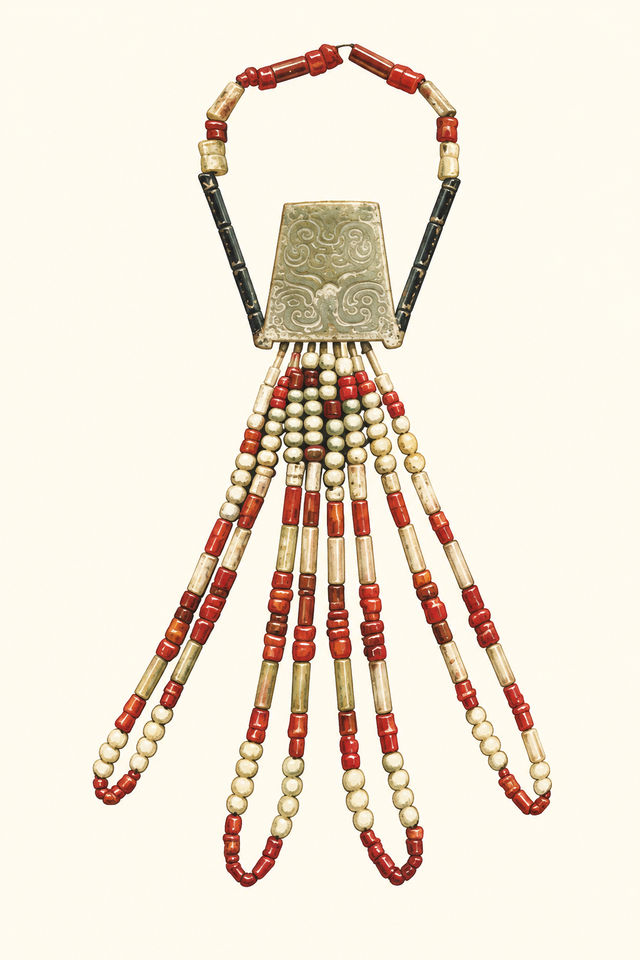
The Chinese Showcase journal Jewelry Knowledge
What Is Ji Hairpin Used For?
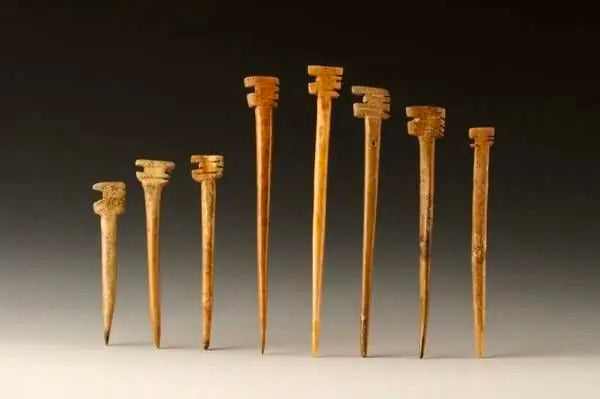
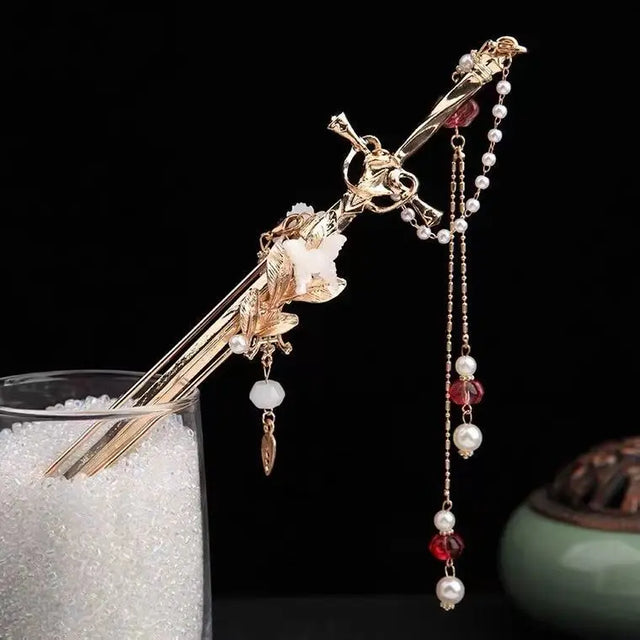
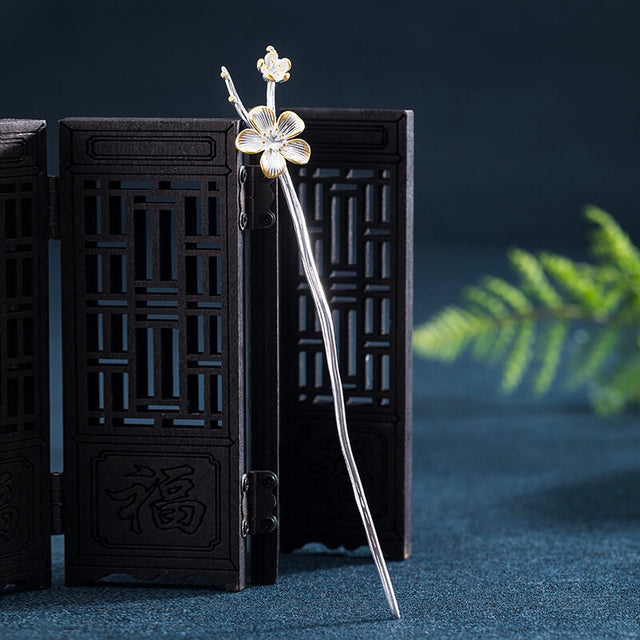
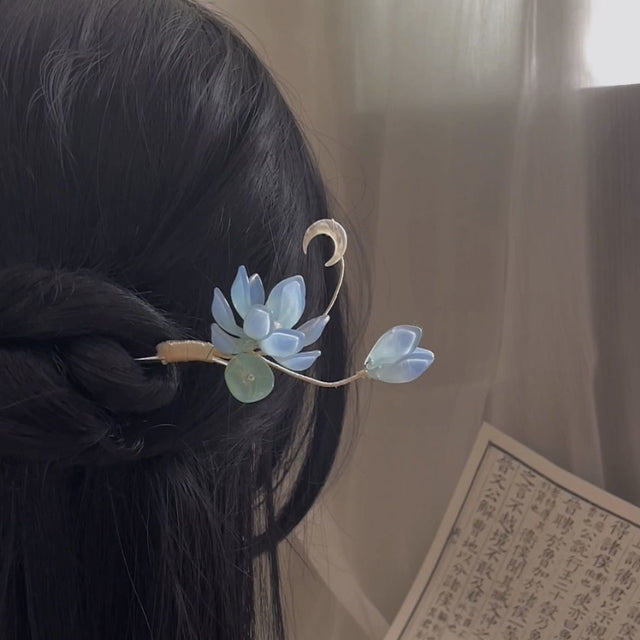
The "笄" (jī) was an important ornament and hair accessory for ancient Chinese women. In ancient Chinese culture, the "笄" was not only a practical tool but also a symbolic gift representing a girl's growth and coming of age.
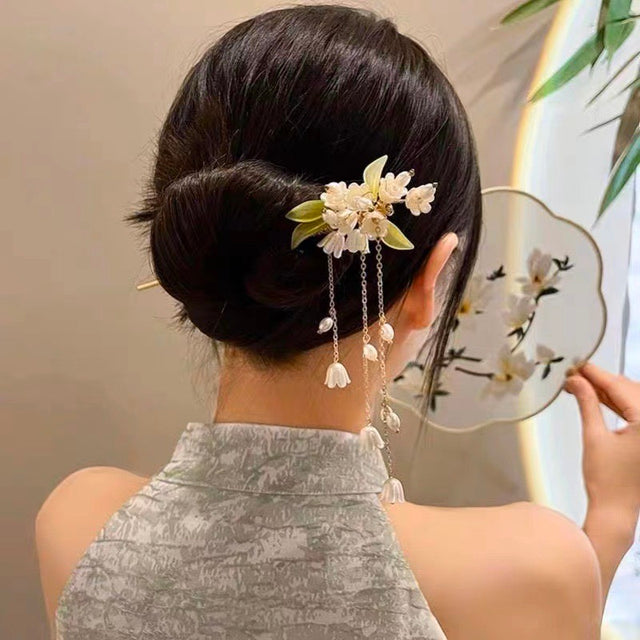
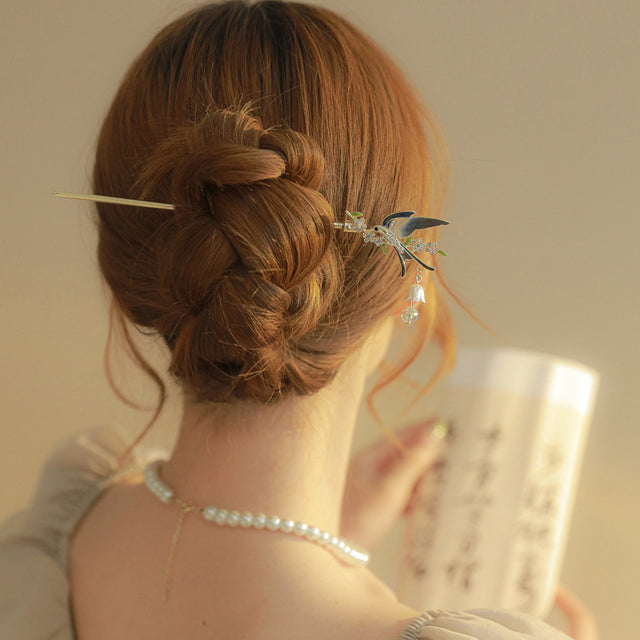
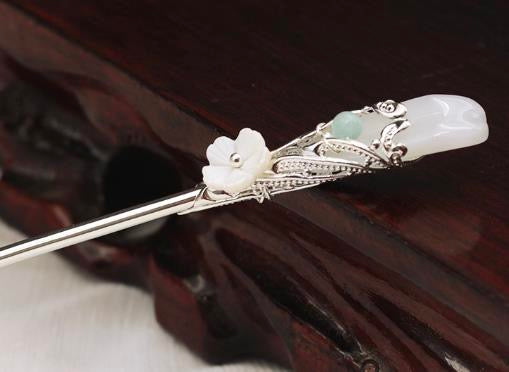
Firstly, the "笄" served as a hair accessory. Ancient Chinese women's hairstyles were intricate and required various tools for combing and securing. The "笄" was one of the commonly used tools to fasten the hair on top of the head, making the hairstyle look neat and elegant. Additionally, the "笄" could be adorned with decorations to enhance a woman's beauty and charm.
Secondly, the "笄" held symbolic significance as a gift. In ancient times, when a girl reached the age of fifteen, known as the "jí jǐ" (及笄) ceremony, she was considered of marriageable age. Therefore, the "笄" became a symbol of a girl's transition into adulthood and readiness for marriage. In some ancient literary works, it is depicted that when a man proposed to a woman, he would present her with a "笄" as a token of their affection and commitment.
Lastly, in modern society, the "笄" has gradually disappeared and has been replaced by modern hairpins and other hair accessories. However, in certain regions and families, this tradition is still preserved. Some enthusiasts of traditional culture maintain the significance of the "笄" as a symbol of adulthood and engage in related activities and attire. Moreover, the term "笄" has also become a common expression in modern cultural products such as literature, films, and TV shows, used to describe a girl's coming of age and entering her youth.
In summary, the "笄" was an essential ornament and hair accessory for ancient Chinese women, symbolizing their growth and coming of age. While it has gradually faded in modern society, it is still retained in some regions and families, and its significance persists in modern cultural expressions. As times change, some traditional customs evolve and transform, but the cultural meanings and values they represent continue to offer important insights and influences.
Three Picks from Chinese Showcase
Three contemporary shop selections inspired by this article’s materials, motifs, or wider decorative themes. These products are not historical artifacts. Check each product page for current specifications, price, and availability.

Handmade Yellow Velvet Peony Hair Clip – Traditional Chinese Guofeng Hairpin for Hanfu & Qipao
View product details
Elegant Yellow Blossom Butterfly Hair Clip – Tang Style Chinese Hair Accessory for Qipao and Hanfu
View product details
Purple Iris Velvet Flower Sandalwood Hairpin – New Chinese Style Tassel Hair Ornament
View product detailsStories, symbols and everyday objects
Our journal explores Chinese culture and design. Traditions and interpretations vary by region and source. For a purchase, use the specifications on the individual product page.
About Chinese ShowcaseQuestions or corrections? Contact us ↗