The Chinese Showcase journal Chinese history
Ancient Chinese Sundial Facts
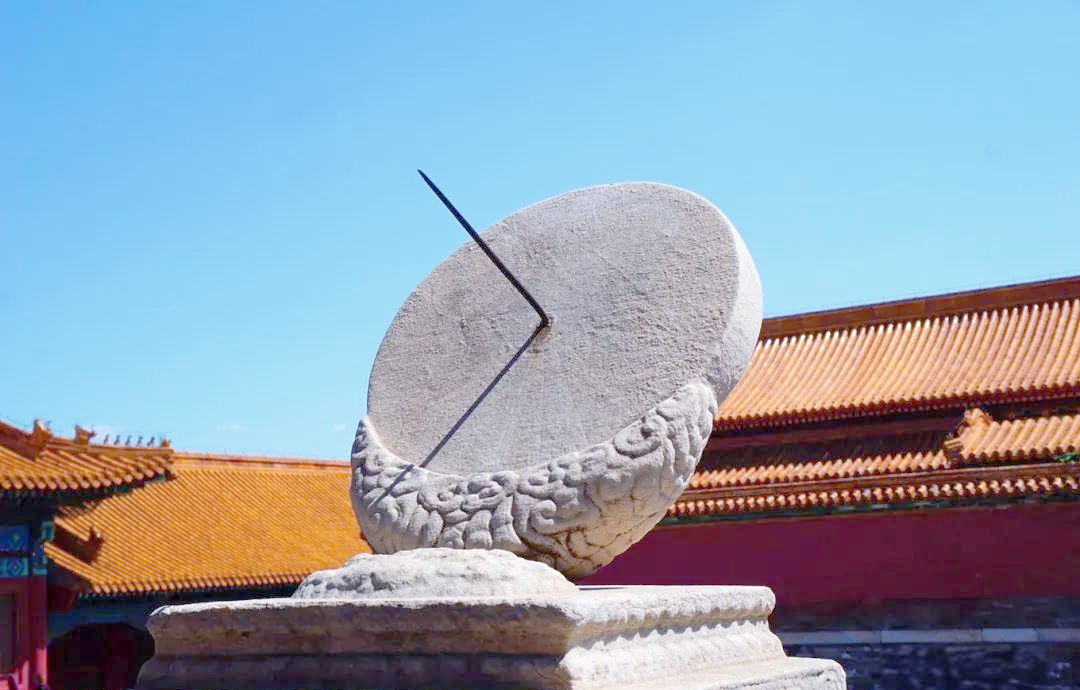
Before the invention of mechanical clocks, how did humanity measure the passing of time? By observing the sky and following the movement of the sun. In ancient China, the sundial became one of the most refined instruments for tracking time through sunlight and shadow. More than a scientific device, it embodied profound knowledge of astronomy, mathematics, geometry, and philosophy.
The Chinese sundial was not merely a timekeeping tool—it was a symbol of cosmic order and intellectual achievement. This article explores its origins, structure, scientific principles, and cultural significance.
Origins and Historical Development
The Chinese word for sundial combines two characters: “sun” and “shadow.” The concept dates back thousands of years. Early records describe the use of a simple vertical pole, known as a gnomon, placed upright on level ground. By observing the changing length and direction of its shadow, ancient observers could estimate the time of day and seasonal changes.
During the Zhou Dynasty, officials used instruments such as the “earth gauge” to measure midday shadows for calendrical calculations. By the Han Dynasty (206 BCE–220 CE), fully developed sundials with engraved time scales had appeared. Archaeological discoveries confirm this sophistication, including a Western Han stone sundial unearthed in 1897, now preserved in the :contentReference[oaicite:0]{index=0}.
Over subsequent dynasties, designs evolved. Tang and Song scholars refined astronomical measurements, and by the Ming and Qing periods, both indigenous and Western-influenced sundial types coexisted, reflecting cultural exchange and scientific advancement.
Scientific Principles of the Sundial
A sundial operates on a precise astronomical principle: as the Earth rotates, the sun appears to move across the sky, causing the shadow of a fixed object to shift predictably. A standard sundial consists of:
- The Gnomon (Shadow Pointer): The upright or angled rod that casts the shadow.
- The Dial Plate: The engraved surface marked with time divisions.
For accuracy, the gnomon must align parallel to Earth’s rotational axis—meaning it must point toward the North Celestial Pole. Its angle above the horizontal equals the local latitude. Only under this alignment can the shadow move uniformly, ensuring reliable time measurement throughout the year.

Major Types of Chinese Sundials
Equatorial Sundial
The equatorial sundial was among the most precise forms. Its dial plate was parallel to the Earth’s equator, and the gnomon stood perpendicular to the plate. Because the sun’s apparent motion along the celestial equator is uniform, the hour markings are evenly spaced—each hour corresponding to 15 degrees of rotation.
Horizontal Sundial
The horizontal sundial featured a flat dial parallel to the ground. Its hour lines were unevenly spaced and calculated according to local latitude. A famous example stands before the Hall of Supreme Harmony in the :contentReference[oaicite:1]{index=1}, where it served not only as a clock but also as a symbol of imperial authority.
Vertical Sundial
Mounted on walls, vertical sundials were common in temples and public buildings. If facing due south, they could accurately track local solar time while also serving decorative and educational purposes.
Portable versions also existed, sometimes incorporating compasses to allow travelers and military units to determine both direction and time.
Timekeeping and the Traditional Chinese System
Ancient China divided the day into twelve double-hours, each associated with one of the Earthly Branches (Zi, Chou, Yin, Mao, etc.). Each unit corresponded to approximately two modern hours.
Noon—when the sun reached its highest point—was a key reference moment. At that time, the shadow aligned due north. Seasonal changes were also determined by measuring midday shadow lengths. On the summer solstice, shadows were shortest; on the winter solstice, longest.
This systematic observation supported agricultural planning and calendrical science, forming a foundation for China’s sophisticated lunisolar calendar.

Cultural and Philosophical Significance
Beyond practicality, the sundial symbolized the flow of time and moral order. Its steady, impartial movement represented fairness, constancy, and harmony with cosmic law.
In imperial China, sundials were placed prominently in palace courtyards. Their presence signified that the emperor, as the “Son of Heaven,” governed in accordance with celestial order. Timekeeping was not merely technical—it carried political and cosmological meaning.
Philosophically, the shifting shadow reminded observers of life’s impermanence. Just as shadows move silently across stone, so too does time pass without pause.
Limitations and Legacy
Despite its ingenuity, the sundial had limitations: it functioned only in sunlight and displayed true solar time, which can differ from standardized clock time by up to about 16 minutes due to orbital variations.
With the introduction of mechanical clocks during the Ming and Qing dynasties, sundials gradually lost their central role. Yet they remained powerful cultural symbols and educational tools.
Today, visitors can still observe historic sundials in palace grounds, gardens, and museums across China. They stand as silent witnesses to a civilization that sought to understand the cosmos through careful observation and disciplined reasoning.
Conclusion
The ancient Chinese sundial wrote poetry with light and shadow. It measured more than hours—it reflected humanity’s desire to align earthly life with celestial rhythm.
When we look at a sundial today, we do not merely see a device of stone and bronze. We see the convergence of science, philosophy, and artistry—a testament to the enduring wisdom of ancient China.
Three Picks from Chinese Showcase
Three contemporary shop selections inspired by this article’s materials, motifs, or wider decorative themes. These products are not historical artifacts. Check each product page for current specifications, price, and availability.

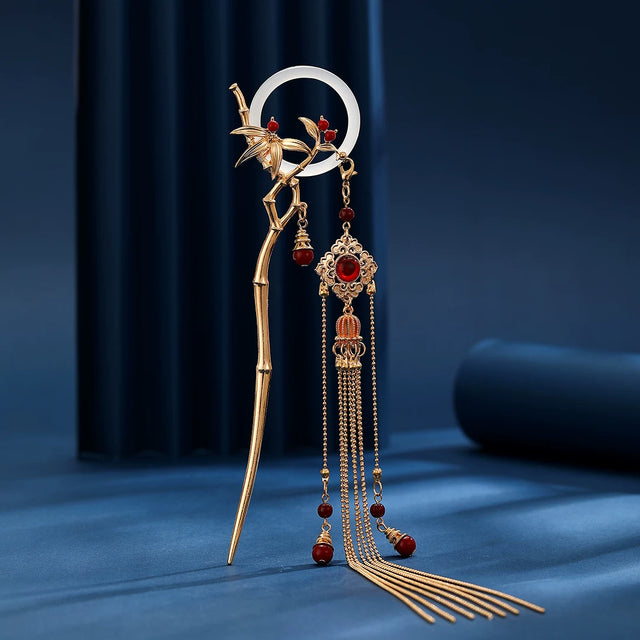
Jasmine Velvet Flower Sandalwood Hairpin – New Chinese Style Floral Hair Ornament
View product details
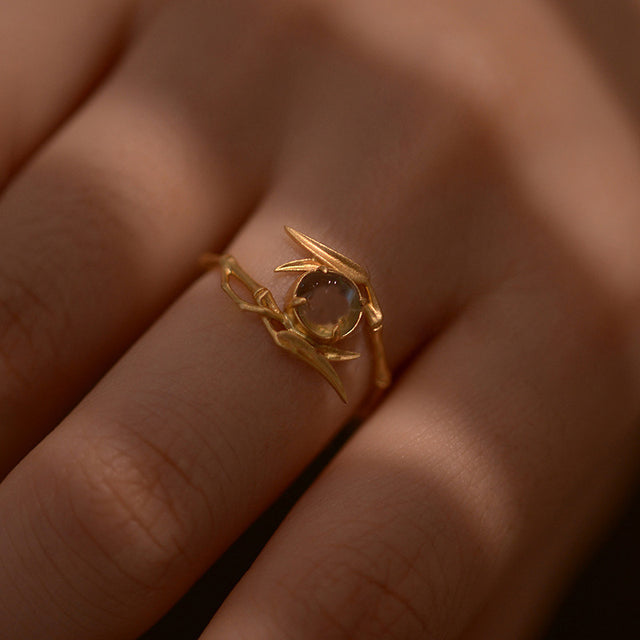
Vintage Style Bamboo Leaf Ear Clip Earrings
View product details
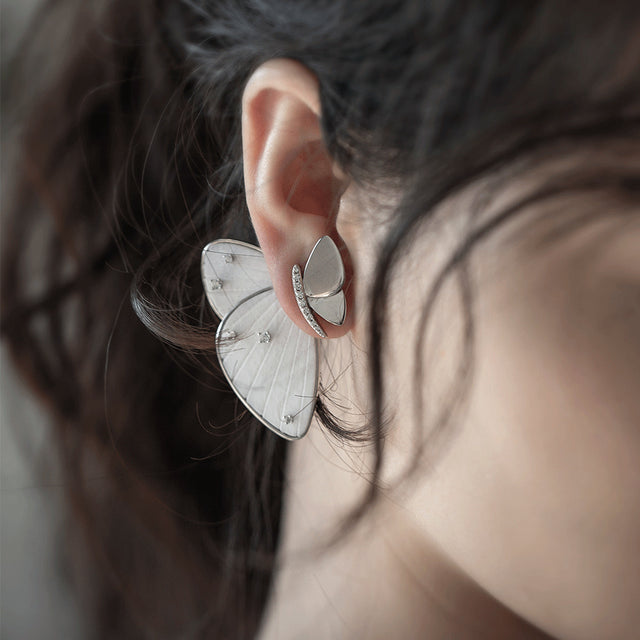
Flower portrait face asymmetrical earrings
View product detailsStories, symbols and everyday objects
Our journal explores Chinese culture and design. Traditions and interpretations vary by region and source. For a purchase, use the specifications on the individual product page.
About Chinese ShowcaseQuestions or corrections? Contact us ↗