The Chinese Showcase journal Chinese culture
Who is the God of Wealth in Chinese Mythology? (Caishen)
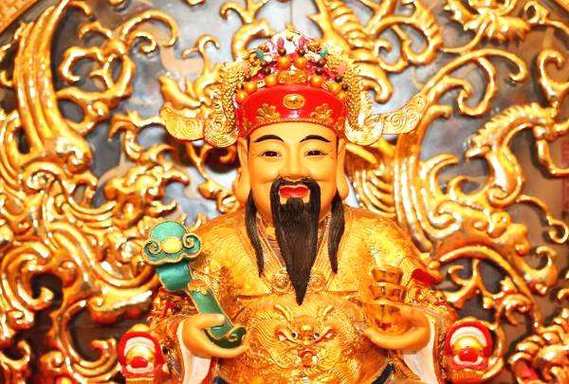
In Chinese mythology, the God of Wealth, known as Caishen, is one of the most revered deities, symbolizing fortune, prosperity, and financial success. Caishen’s influence spans centuries and is deeply intertwined with Chinese culture, especially during the Lunar New Year and other significant traditional events.
Origins and Historical Background
The figure of Caishen has evolved over time, with multiple versions appearing in folklore, Taoist beliefs, and historical records. Some legends describe him as a mortal named Zhao Gongming, a general who served during the Qin dynasty. Others identify him as Bi Gan, a loyal minister of the Shang dynasty. Over the years, these historical figures were deified, embodying the qualities of generosity, protection, and wealth distribution.
Symbols and Attributes
Caishen is often depicted wearing traditional robes and holding symbolic objects that represent wealth. Common attributes include:
- Gold ingots: Representing wealth and abundance.
- Treasure bags: Signifying the distribution of fortune.
- Pixiu: A mythical creature that attracts wealth and wards off evil spirits.
The image of Caishen standing on clouds or riding a tiger is a recurring motif, emphasizing his divine status and protective power.
Cultural Significance
Caishen plays an essential role during the Lunar New Year, when families place images of him in their homes or temples to invite fortune. Traditional rituals include burning incense, offering fruits, and reciting prayers to seek blessings for financial success, business growth, and personal prosperity.
Feng Shui and Wealth Charms
In Chinese Feng Shui, Caishen is a key symbol for attracting wealth energy. Many people use wealth charms and jewelry inspired by him to enhance abundance and safeguard finances. Popular items include gold and silver pendants, rings, necklaces, and decorative abacuses.
Three Picks from Chinese Showcase
Three contemporary shop selections inspired by this article’s materials, motifs, or wider decorative themes. These products are not historical artifacts. Check each product page for current specifications, price, and availability.

Peanut Inlaid Hetian Jade Pendant Necklace
View product details
Five Emperor Coin Ring in Sterling Silver
View product details
Golden Pixiu Blue Abacus Pendant - Sterling Silver
View product detailsCaishen in Modern Society
Even today, Caishen's influence persists in contemporary Chinese society. Many businesses place statues or images of Caishen at entrances, believing this will attract financial growth. Jewelry inspired by Caishen, such as pendants and rings, is popular among both collectors and everyday people seeking a spiritual connection to wealth.
Traditional Beliefs and Practices
People also incorporate Caishen’s imagery into daily life by wearing necklaces or using decorative items featuring symbolic objects like peanuts, coins, and abacuses. These items are believed to attract wealth, protect investments, and encourage financial wisdom.
Conclusion
As the God of Wealth, Caishen embodies the Chinese people's enduring aspiration for financial success, prosperity, and security. From ancient legends to modern jewelry and Feng Shui practices, his presence continues to inspire hope, diligence, and the pursuit of abundance.
Integrating Caishen-inspired products into daily life not only honors traditional culture but also serves as a spiritual reminder to cultivate wealth through wisdom, action, and moral integrity.
Stories, symbols and everyday objects
Our journal explores Chinese culture and design. Traditions and interpretations vary by region and source. For a purchase, use the specifications on the individual product page.
About Chinese ShowcaseQuestions or corrections? Contact us ↗