The Chinese Showcase journal Chinese culture
Flowers That Represent Death In China
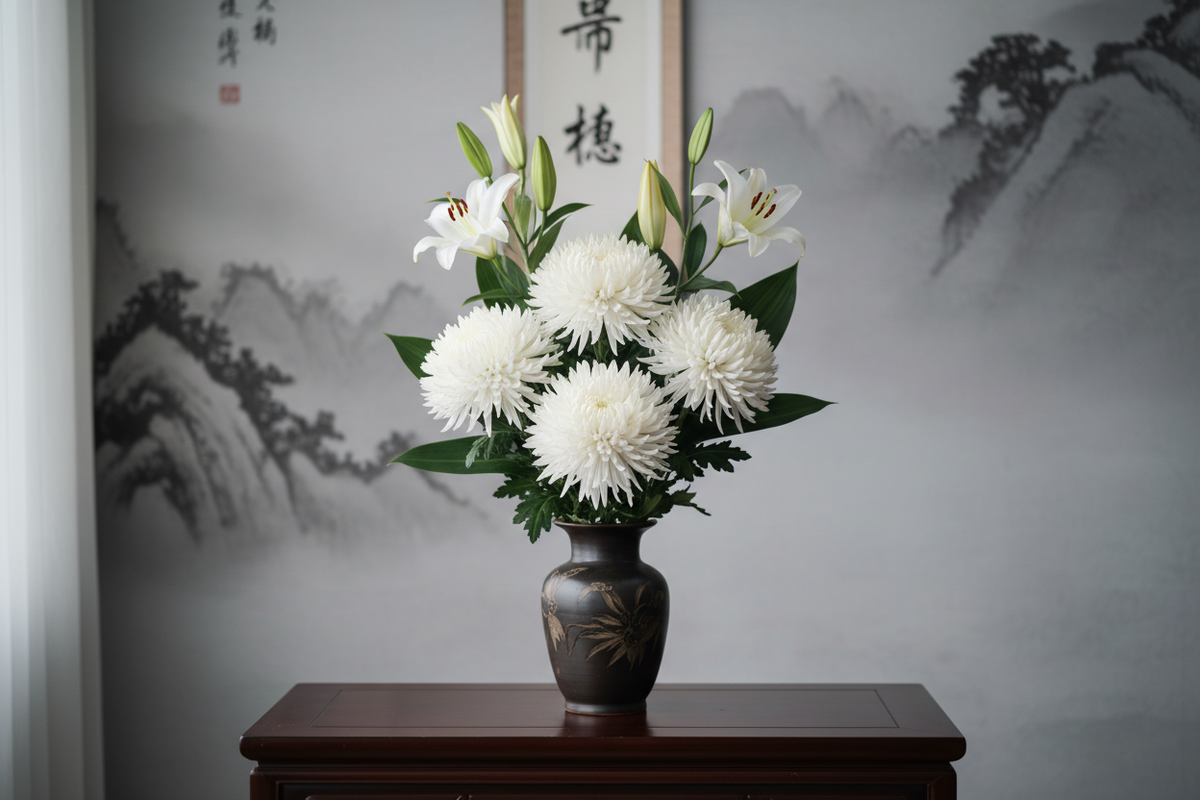
In traditional Chinese culture, flowers are not merely objects of beauty; they are powerful cultural symbols carrying layered meanings. Certain flowers, due to their natural characteristics, colors, phonetic associations, or historical origins, are closely linked to death, mourning, and remembrance.
Understanding the role of these flowers in Chinese funerary culture is essential not only for appreciating traditional Chinese values, but also for avoiding cultural misunderstandings in cross-cultural communication. This article offers a comprehensive overview of flowers associated with death in China, examining ritual use, symbolic meaning, regional variation, and modern transformation.
1. White Flowers: The Primary Color of Mourning
1.1 The Symbolism of White in Chinese Culture
While white represents purity and rebirth in Western cultures, it is deeply associated with funerals and mourning in traditional Chinese society.
- Historical Origins: Zhou Dynasty ritual codes prescribed white mourning garments, as recorded in The Book of Rites.
- Five Elements Theory: White corresponds to the West and autumn, symbolizing decline and completion.
- Daoist Thought: White is linked to yin, coldness, and stillness.
Folk Customs:
- Traditional mourning clothes made of white hemp
- Funeral halls decorated primarily in white
- White flowers worn during memorial periods in some regions
Modern Evolution:
- Urban areas increasingly accept black mourning attire under Western influence
- White remains dominant in traditional families and rural regions
- White flowers are still the first choice for funerals

1.2 Major White Funeral Flowers
White Chrysanthemum: The Definitive Funeral Flower
Cultural Status:
- The most widely used and universally accepted funeral flower
- Documented use in elite funerals since ancient times
- Most common flower in modern funeral homes and cemeteries
Symbolic Meaning:
- Expression of mourning and remembrance
- Symbol of moral integrity and detachment
- Autumn blooming aligns with themes of life’s impermanence
Usage:
- Funeral wreaths and standing sprays
- Grave offerings
- Memorial services
Important Notes:
- Never give white chrysanthemums for celebratory occasions
- Some regions forbid bringing them when visiting the sick
- Flowers are typically arranged in odd numbers
White Lily: Symbol of a Pure Soul
Cultural Meaning:
- Adapted from Christian symbolism of resurrection
- Represents purity and innocence of the departed soul
- Fragrance is believed to cleanse the space
Usage Characteristics:
- Often paired with white chrysanthemums
- Common in remembrance ceremonies
- Frequently chosen for women or younger deceased individuals
Regional Differences:
- More accepted in coastal and international cities
- Traditional inland areas prefer chrysanthemums only
- Christian families may strongly favor lilies
White Rose: A Symbol with Ambiguity
Cultural Tension:
- Symbolizes pure love in Western culture
- Associated with mourning in Chinese tradition
- Potential for misunderstanding among younger generations
Appropriate Use:
- Younger deceased individuals, especially sudden deaths
- When the deceased loved roses in life
- Western-style or Christian funerals
Caution:
- Not recommended for traditional elderly funerals
- Avoid confusion with red roses
- Best accompanied by a condolence card
2. Yellow Flowers: Tradition vs. Modern Perception
2.1 Yellow Chrysanthemums and Dual Meaning
Traditional Context:
- Yellow historically symbolized imperial authority
- Associated with longevity during the Double Ninth Festival
- Linked to reclusion and dignity in classical literature
Modern Funeral Use:
- Accepted in some regions, often paired with white chrysanthemums
- More suitable for elderly deceased individuals
Generational Differences:
- Older generations may accept yellow as auspicious
- Younger people often avoid it entirely
- Urban–rural perceptions differ significantly
2.2 Other Yellow Flowers
- Yellow Roses: Often avoided due to ambiguity
- Yellow Carnations: Symbolism unclear; generally discouraged
3. Flowers with Specific Death Associations
3.1 Red Spider Lily (Lycoris radiata): Flower of the Afterlife
Botanical Features:
- Flowers bloom without leaves
- Blooms around the autumn equinox
Cultural Meaning:
- Originates from Buddhist imagery as a celestial flower
- Associated with the path to the underworld
- Symbolizes irreversible separation
Usage:
- Rarely used in actual funerals
- Common in literature, art, and film
- Often grows naturally near cemeteries
3.2 Plum Blossom: A Complex Symbol
- Symbol of resilience and moral purity
- Homophone with “misfortune” in some dialects
- Generally avoided unless the deceased was a scholar
3.3 Epiphyllum: The Metaphor of Fleeting Life
- Blooms briefly at night
- Represents life’s transience
- Used symbolically rather than physically
3.4 Poppy Flower: A Forbidden Beauty
- Historically medicinal and ornamental
- Now associated with national trauma and addiction
- Strictly avoided in modern Chinese society

4. Funeral Flower Etiquette
4.1 Traditional Arrangements
- White flowers dominate funeral halls
- Wreath size reflects relationship closeness
- Odd numbers preferred
4.2 Modern and Western Influences
- Cool colors like lavender or pale blue accepted
- Personalized floral themes increasingly common
- Potted plants replacing cut flowers for sustainability
4.3 Regional and Ethnic Differences
- Northern China: strict white dominance
- Southern regions: more flexible
- Minority customs vary widely
5. Taboos and Important Considerations
5.1 Absolute Taboos
- Red flowers (except rare longevity funerals)
- Bright colors such as pink or orange
- Thorny plants
- Overly strong fragrances
5.2 Quantity and Packaging
- Odd numbers only (3, 5, 7)
- Avoid the number four
- Simple, muted packaging
6. Modern Social Evolution
6.1 Changing Attitudes
- Greater acceptance of personalization
- Traditional solemnity remains essential
6.2 Sustainability Trends
- Eco-friendly alternatives gaining popularity
- Tree planting replacing flower gifting
6.3 Industry Development
- Professional funeral floristry
- Online ordering and customization
- Improved transparency and standards

7. Cross-Cultural Considerations
7.1 Foreigners Attending Chinese Funerals
- White chrysanthemums are the safest choice
- Dress conservatively and follow local guidance
7.2 Chinese Attending Overseas Funerals
- Respect local customs
- Focus on sincerity rather than form
7.3 International Business Condolences
- Corporate floral etiquette matters
- Digital memorials increasingly accepted
Conclusion: The Philosophy Behind Funeral Flowers
In Chinese culture, flowers associated with death are not merely decorative—they embody views on life, mortality, respect, and continuity. From the solemn white chrysanthemum to the symbolic red spider lily, these floral traditions reflect how the Chinese perceive death not as an end, but as part of a larger cycle.
Flowers speak without words, yet convey humanity’s deepest emotions. In the quiet bloom of white chrysanthemums, we find not only farewell, but reflection, inheritance, and reverence for life itself.
Three Picks from Chinese Showcase
Three contemporary shop selections inspired by this article’s materials, motifs, or wider decorative themes. These products are not historical artifacts. Check each product page for current specifications, price, and availability.

Chinese Butterfly Hairpin – Vintage Floral Red Sandalwood Hair Stick for Women
View product details
Blue Butterfly & Floral Tassel Earrings | Hook or Clip Options
View product details
Bird Flower Blue Treasure Necklace - Sterling Silver
View product detailsStories, symbols and everyday objects
Our journal explores Chinese culture and design. Traditions and interpretations vary by region and source. For a purchase, use the specifications on the individual product page.
About Chinese ShowcaseQuestions or corrections? Contact us ↗