Within the complex customs and taboos of the Chinese New Year, regulations surrounding personal hygiene are particularly meticulous. Among these, the tradition of “avoiding hair-washing during the Lunar New Year”—especially on specific days—stands out as a culturally significant practice. This custom is not rooted in hygiene concerns, but in an intricate combination of ancient language magic, cosmology, livelihood patterns, and social ethics. It offers a window into how the Chinese regulate subtle bodily behaviors to participate in and harmonize with the grand annual temporal transitions.
I. Core Taboos: “Hair” and “Wealth” in Language Magic
The traditional answer to “Can one wash hair during New Year?” carries a clear temporal and cultural logic. The most common rule is “Do not wash hair on the first day of the lunar year”. In some regions, the taboo extends throughout the first lunar month, especially on the third day (“Chìkǒu”) or other specific dates.
Cultural Logic: Homophonic Symbolism and Resource Metaphor
- “Hair” as a symbol of “wealth”: This is the most direct and widespread explanation. In Chinese, the character for hair (“fà”) is homophonous with the character for wealth or prosperity (“fā”). Hair is seen as an expression of the body’s vital energy and is symbolically likened to crops in the fields or accumulated wealth. Washing hair at the start of the year symbolically “washes away” growing fortune, potentially leading to poor financial luck. Maintaining hair, especially pre-styled before the New Year, is seen as preserving nascent prosperity.
- Fear of water and wealth loss: This taboo shares logic with other New Year restrictions, such as “no bathing or splashing water.” Water symbolizes wealth, and using large amounts of it to wash hair, letting the dirty water flow away, serves as a metaphor for financial loss. In traditional agrarian society, abundant water directly related to harvests and wealth, giving the taboo a practical and symbolic dimension.
- Avoiding the “Purple Aunt” deity: In some regions, it is believed that during the first days of the lunar year, the toilet deity (“Purple Aunt” or “Three Aunts”) is on patrol or returns to heaven. Washing hair or discarding wastewater near bathrooms may offend this deity, bringing misfortune. This adds a spiritual layer to the taboo.

II. Temporal and Spatial Patterns: Regional Differences and Agricultural Rhythms
The strictness and forms of the hair-washing taboo vary greatly across regions and historical periods, closely linked to local livelihoods and climate.
- Stricter observance in the North: In the cold northern regions, where water is harder to obtain in winter, thorough pre-New Year bathing, hair-washing, and grooming (“washing away the dirt”) is an important ritual. From then until the fifth day of the New Year—or even throughout the first month—avoiding hair-washing is common for warmth, water conservation, and custom, aligning daily life with ritual taboos.
- Adaptation in the South: In warmer southern areas with abundant water, the taboo may focus on specific days, such as the first or third day. People may adopt partial cleaning (e.g., wiping the scalp with a wet towel) or use pre-stored water, balancing hygiene with tradition.
- Extension to “no haircuts in the first month”: Closely related is the taboo against cutting hair during the first lunar month. Its folklore explanation (“mourning an uncle”) is likely a post hoc homophonic association, while its historical origin may trace back to resistance against the Qing Dynasty’s mandatory haircut orders. Avoiding haircuts naturally reduces hair-washing needs, together maintaining the head’s “original appearance” during the New Year.
III. Placement in the Ritual Sequence: From “Removing the Old” to “Maintaining the New”
The hair-washing taboo is best understood as part of the full pre- and post-New Year ritual sequence. It is not a simple prohibitive act, but the concluding phase of a proactive transition ritual.
Pre-New Year: Active “Old Removal” Cleansing
From the latter part of the twelfth lunar month, especially after “Little New Year,” households engage in a cleaning frenzy. Key activities include sweeping dust and washing away dirt. This extends to full-body bathing, hair-washing, and grooming (with traditional sayings guiding timing, e.g., “twenty-seven, trim finely; twenty-eight, trim roughly”). The symbolic meaning is “washing away the year’s misfortune and bad luck”, stepping into the New Year refreshed and renewed. Hair-washing at this stage is both active and essential.
During the Festival: Cautious “Welcoming the New” and Preservation
Upon entering the New Year, especially on the first day, the ritual focus shifts from “removing the old” to “welcoming blessings and stabilizing new energy”. Any behavior that might cause “loss” or “disruption” (sweeping, discarding trash, cutting, washing hair) is suspended. Hair, having already been renewed and imbued with hopes for the new year, is carefully “guarded,” allowing symbolic fortune and blessings to grow and attach. The hair-washing taboo is thus a rule of preservation in this “maintenance” phase.
IV. Modern Adaptations: From Compliance to Diversified Practice
- Pragmatism and daily habits: For most urban residents, daily or every-other-day hair-washing is a basic hygiene requirement. Work and social demands make clean hair necessary. Original symbolic fears are largely relaxed in practice.
- Symbolic observance and temporal shifts: Many, particularly those valuing family tradition, selectively follow the taboo. Common adaptations include avoiding hair-washing only on the first day, or scheduling it before New Year’s Eve stay-up, or after midday when solar energy peaks. Others limit direct water contact, using dry shampoos or wet-towel wiping for partial cleaning.
- Cultural identity and emotional connection: Among overseas Chinese or cultural enthusiasts, observing these taboos reinforces cultural identity and ancestral connection. Compliance is less about superstition and more about expressing “who I am” through cultural memory. Respecting these rituals within the family also demonstrates filial piety and cohesion.
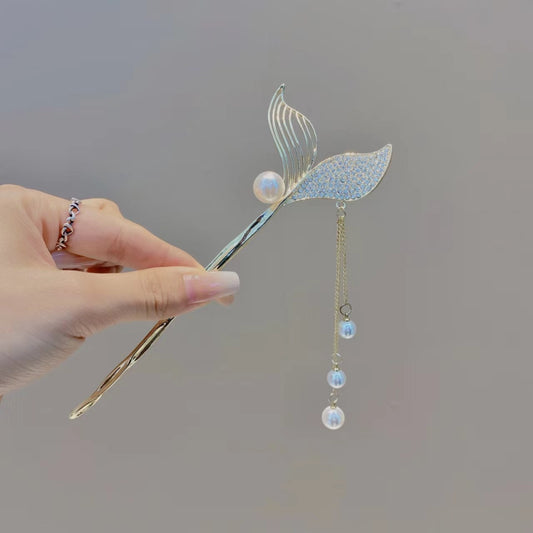
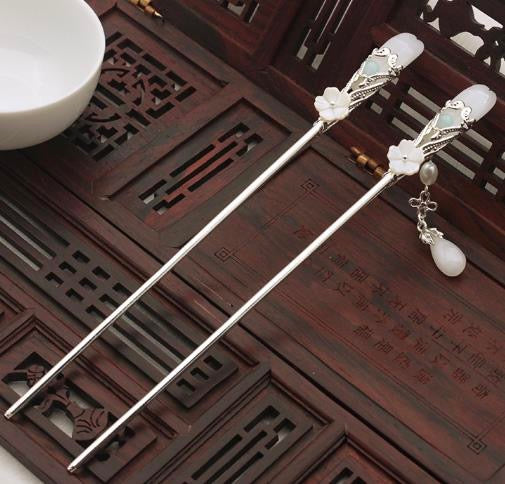
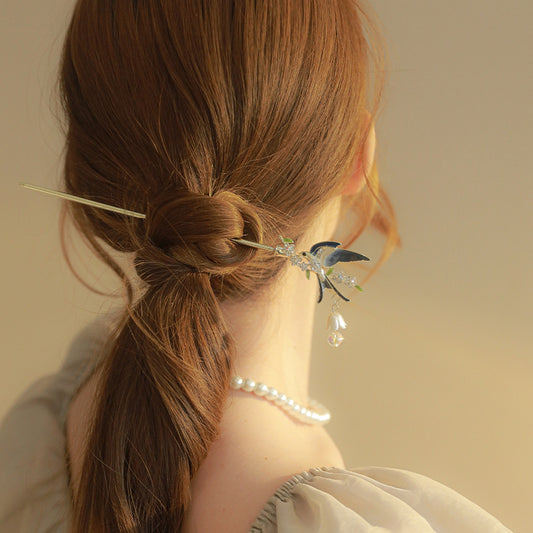
- From taboo to festive specialness: Temporarily changing hair-washing habits highlights the New Year as distinct from everyday life, creating a sense of ceremony. Even washing hair can be turned into a positive start to the year by using fragrant products or new hair accessories, shifting the act from taboo avoidance to proactive celebration.

V. Deeper Cultural Insights: Body, Time, and Social Order
- The body as a microcosm of the universe: Hair is believed to interact with macro-level fortune. Controlling the body is thus seen as influencing destiny.
- The sanctity and unevenness of time: New Year is “sacred time,” during which ordinary behaviors are redefined and regulated. Observing special rules demonstrates respect for time itself.
- Power of language and magic: Homophonic associations are more than wordplay—they are believed to connect concepts and influence reality, reflecting a thinking pattern embedded in language.
- Implicit social pressure: In traditional rural society, breaking widely known taboos could lead to gossip and affect personal and family reputation. Observance maintains social harmony and family honor.
Conclusion: Anchoring Meaning in the Flow of Tradition
In summary, the question of “Can one wash hair during the New Year?” has evolved from a traditional “do not” into a highly situational and personalized choice. It illustrates how modern individuals navigate their relationship with cultural heritage in daily life.
Whether one follows, adapts, or ignores this practice, the underlying considerations often balance cleanliness, appearance, health, family harmony, and cultural continuity. This seemingly minor daily detail reflects a vibrant negotiation between modernity and tradition.
Ultimately, understanding this custom is less about judging its “scientific” validity and more about appreciating that behind such “quirky” taboos lies centuries of ancestors’ earnest hopes for a good life, a respect for natural order, and the wisdom of creating symbolic structures to achieve psychological stability and social cohesion. Today, as water flows through our hair, we can occasionally recall this ancient connection between “hair” and “fortune,” appreciating the enduring vitality of traditional culture with a smile.