On a summer afternoon, the sound of cicadas fills the air. While some hear noise, others perceive poetry. In Chinese culture, the cicada is far more than an insect—it is a timeless symbol of nobility, spiritual purity, rebirth, and immortality. From ancient jade carvings to Tang poetry, from bronze motifs to delicate hair ornaments, the cicada has carried deep cultural meaning across thousands of years.
1. From Earth to Sky: The Origin of Cicada Symbolism
The cicada’s life cycle is extraordinary. It lives underground for years, feeding quietly in darkness before emerging, shedding its shell, and ascending trees to sing in the sunlight. This transformation—from hidden to visible, from silence to song—became a powerful metaphor in Chinese philosophy.
Ancient scholars saw the cicada as a symbol of moral integrity and transcendence. Living high above and “drinking dew,” it represented purity and detachment from worldly corruption. The Western Jin scholar Lu Yun summarized the cicada’s “Five Virtues”: refinement, purity, integrity, frugality, and trustworthiness.
2. Cicadas in Tang Poetry: Voices of the Soul
During the Tang Dynasty, cicadas became a central poetic motif. Three famous poets—Yu Shinan, Luo Binwang, and Li Shangyin—used the cicada to express different emotional states.
- Yu Shinan: Represented dignity and moral elevation—true virtue needs no external support.
- Luo Binwang: Used the cicada to express injustice and hardship during imprisonment.
- Li Shangyin: Reflected frustration and perseverance in difficult times.
Though their circumstances differed, all three saw the cicada as a symbol of inner purity and resilience.

3. Rebirth and Immortality: Cicadas in Ancient Beliefs
Beyond literature, the cicada held profound spiritual meaning. Its transformation symbolized rebirth and eternal life.
As early as the Neolithic period, jade cicadas were crafted and placed in tombs. During the Han Dynasty, it became customary to place a jade cicada in the mouth of the deceased, known as “Han Cicada,” symbolizing resurrection and protection of the soul.
Jade cicadas were also worn in life as talismans of virtue—“worn in life, held in death”—representing both moral aspiration and hope for immortality.
4. Cicadas in Art, Jewelry, and Daily Life
The image of the cicada has appeared across Chinese art and craftsmanship:
- Bronze and jade motifs: Symbolizing purity and refinement
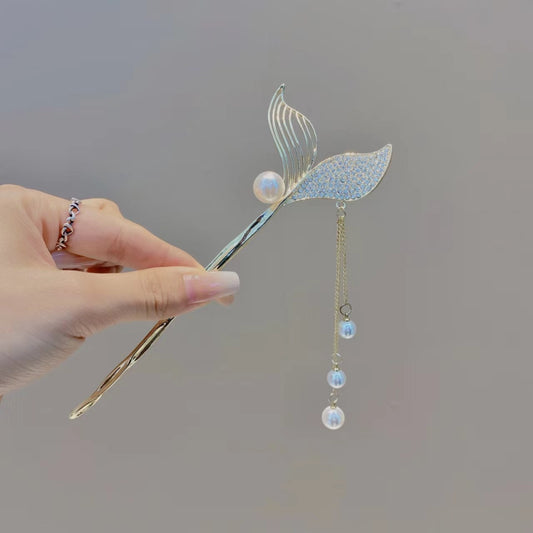
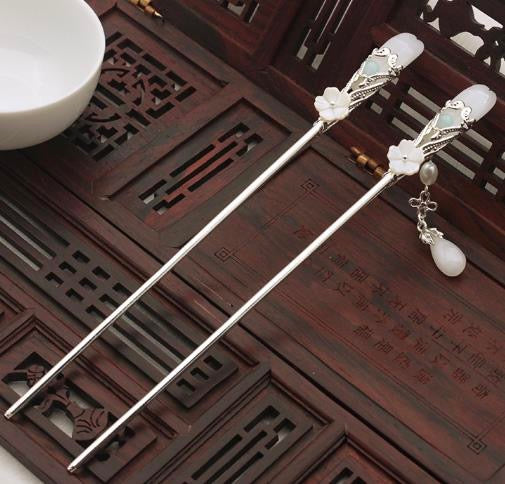
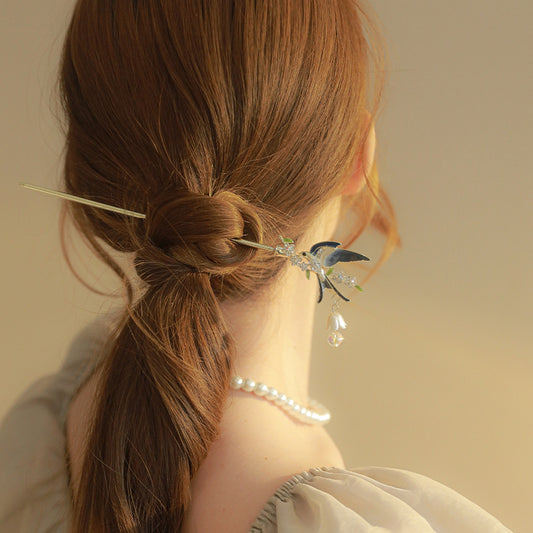
- Hairpins and ornaments: Representing elegance and noble status
- “Golden Cicada on Jade Leaf”: A famous Ming Dynasty ornament symbolizing noble beauty
In traditional aesthetics, cicada-inspired features such as “cicada-wing eyebrows” and delicate hairstyles represented feminine beauty and grace.

5. Auspicious Meanings and Modern Symbolism
Over time, the cicada gained additional meanings in folk culture:
- Success and recognition (“One cry amazes the world”)
- Wisdom and knowledge (linked to the word “knowing” in Chinese)
- Wealth and prosperity (through phonetic symbolism)
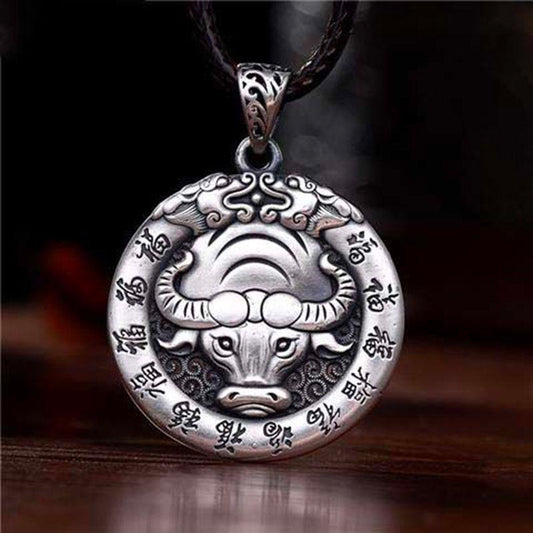
Today, cicada-inspired jewelry remains popular for its blend of spiritual symbolism and elegant design, making it ideal for those seeking meaningful accessories.
6. Philosophy of Transformation
The enduring power of the cicada lies in the Chinese philosophical idea of “unity between humans and nature.” The cicada itself is simple, yet humans have projected ideals of virtue, resilience, and transcendence onto it.
Its life offers a quiet lesson: endure in silence, transform with strength, express yourself fully, and accept the cycle of life.
From ancient jade carvings to modern jewelry, the cicada continues to inspire. It reminds us that even in the dust of the world, one can remain pure—and even a brief life can leave a lasting song.