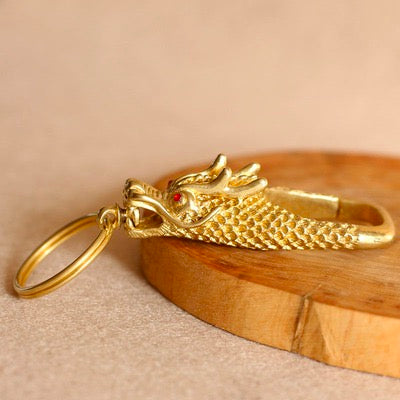
Good luck has always held a special place in Chinese culture. Unlike Western perspectives that often associate luck with random chance, in China, good luck is deeply intertwined with traditions, symbolism, and everyday practices. From auspicious numbers and colors to meaningful objects and rituals, Chinese people have long believed that certain elements can attract positive energy and harmony into their lives.
Auspicious Numbers
Numbers play a significant role in Chinese culture. Certain numbers are considered lucky because of their pronunciation, which often resembles positive words:
- 8 (八, bā) – Pronounced similar to "prosperity" (发, fā). This number symbolizes wealth and success.
- 6 (六, liù) – Sounds like "smooth" (流, liú), representing a smooth and easy life.
- 9 (九, jiǔ) – Associated with longevity and eternal life, as it sounds like "久" meaning long-lasting.
Auspicious Colors
Colors carry strong symbolic meanings in Chinese culture:
- Red – Symbolizes joy, happiness, and prosperity. Commonly used in weddings, New Year celebrations, and decorations.
- Gold/Yellow – Represents wealth, power, and nobility.
- Green – Associated with growth, harmony, and health.
Lucky Objects and Symbols
Many objects are believed to bring good luck in Chinese households and businesses. Some popular ones include:
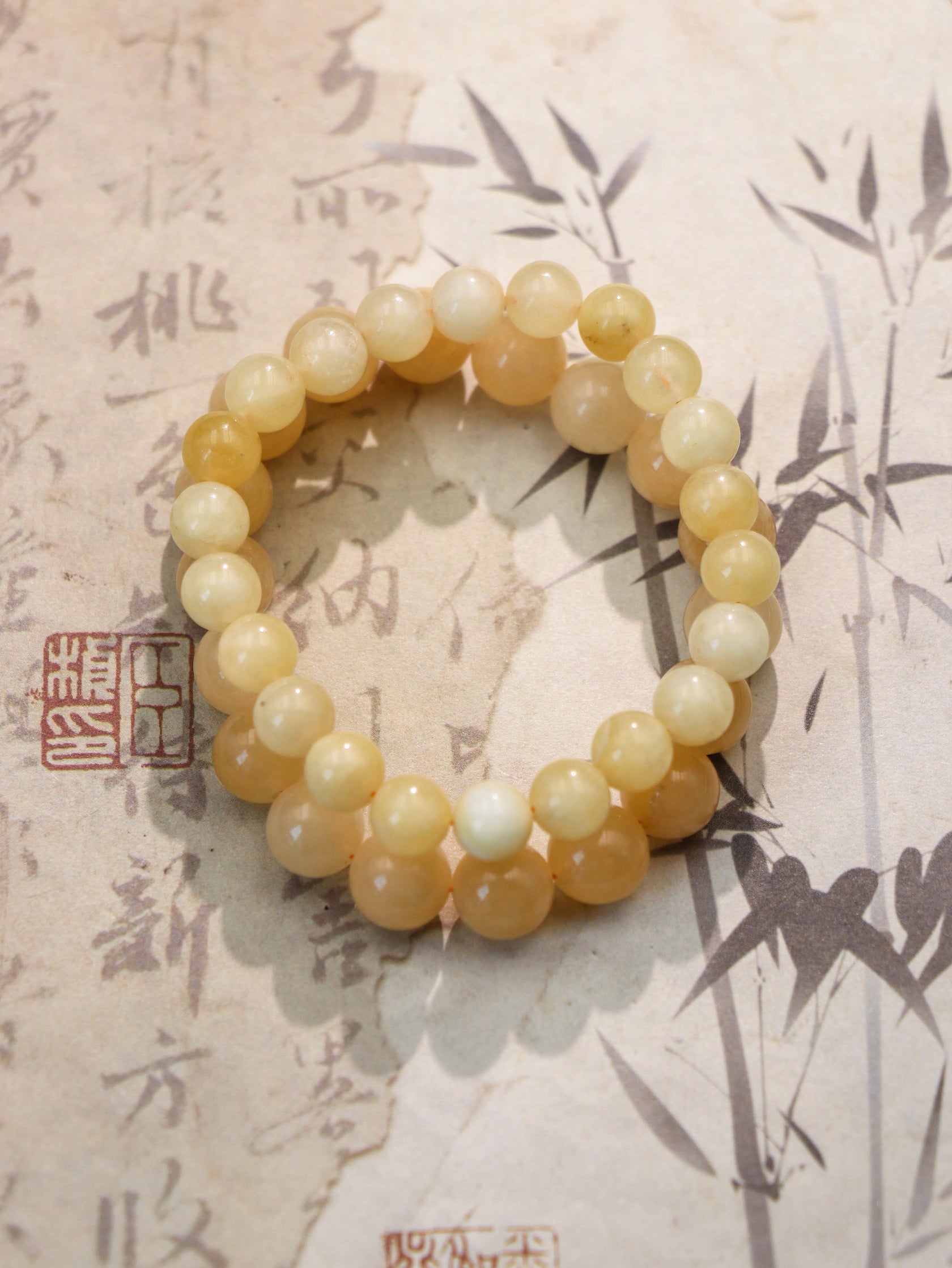
- Feng Shui Crystals – Crystals like citrine, tiger’s eye, or yellow jade are widely used to attract wealth, harmony, and positive energy.
- Chinese Coins – Often tied with red ribbons and placed at entrances to invite prosperity.
- Fu Characters (福) – Hanging “福” upside down symbolizes that happiness and good fortune have arrived.
- Dragon and Phoenix – Represent strength, balance, and auspicious energy.
Lucky Days and Festivals
Specific dates and festivals are also considered auspicious in Chinese culture:
- Chinese New Year (Spring Festival) – A time to welcome wealth, happiness, and health for the coming year.
- Lantern Festival – Symbolizes unity and bright futures.
- Wedding Days – Couples often select dates based on the lunar calendar to ensure good fortune.
Feng Shui and Spatial Arrangement
Feng Shui, the ancient Chinese art of placement, emphasizes how spatial arrangements affect energy flow. Good luck can be enhanced by:
- Placing wealth symbols in the southeast corner of the home or office.
- Using mirrors to reflect positive energy and sunlight into living spaces.
- Keeping entrances clean and uncluttered to welcome fortune and prosperity.
Modern Interpretations
In contemporary times, good luck in Chinese culture continues to influence jewelry, home décor, fashion, and personal rituals. Many people wear crystal bracelets, jade pendants, or lucky charms as a daily reminder of positivity, wealth, and protection. E-commerce platforms, like Shopify, have made it easy for enthusiasts worldwide to explore and embrace these cultural symbols.
In essence, good luck in Chinese culture is not just about chance—it reflects a harmonious connection between humans, nature, and the universe. By understanding and applying these traditions, one can invite positive energy, happiness, and success into everyday life.