Traditional Chinese hairpins are more than just accessories. They are timeless works of art, carrying profound history, exquisite craftsmanship, and rich cultural symbolism. Among the many decorative techniques, filigree (fine twisted metalwork) and cloisonné (colorful enamel inlays) stand out as two of the most elegant and refined methods.
In this article, we will explore the origins, symbolism, and artistry of filigree and cloisonné hairpins, and introduce you to exquisite handmade pieces that embody the perfect union of tradition and beauty.

1. The Historical Significance of Chinese Hairpins
Hairpins, known as zan (簪) in ancient China, were not only functional tools for securing hair but also cultural symbols of identity, status, and even romance. A well-crafted hairpin could reveal a woman’s social background and her taste in art. During dynasties such as the Tang, Song, and Ming, hairpins evolved into complex artworks that combined jade, pearls, silver, and intricate metalwork.
They also carried sentimental meaning—traditionally, a man might gift a hairpin to his beloved as a token of lifelong commitment. These hairpins were therefore not only fashion ornaments but also emblems of love and fidelity.
2. The Art of Filigree (细金工艺)
Filigree is the delicate art of twisting fine threads of gold or silver into intricate patterns. This labor-intensive technique requires immense patience and craftsmanship. The process involves:
- Drawing precious metal into extremely thin threads.
- Twisting, bending, and weaving them into floral, geometric, or symbolic motifs.
- Soldering the delicate patterns onto a metal base without losing the fine details.
The result is a lace-like ornament that embodies refinement and elegance. Filigree hairpins often featured motifs such as orchids, phoenixes, and peonies, each symbolizing beauty, resilience, or high virtue.
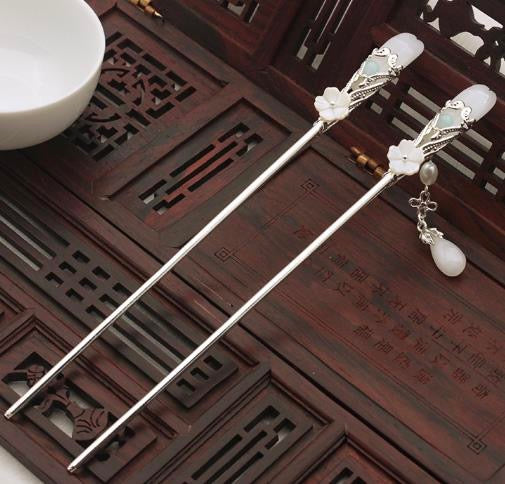
🌸 Pure Silver Natural Hotan Jade Orchid Hairpin

This Pure Silver Orchid Hairpin is inlaid with natural Hotan jade, showcasing the elegance of filigree work. Orchids symbolize refinement and noble character in Chinese culture, making this hairpin an ideal choice for special occasions or cultural celebrations. View details →
3. The Beauty of Cloisonné (景泰蓝)
Cloisonné is an ancient enameling technique where artisans create compartments (cloisons) with thin metal wires, then fill them with colored enamel. After multiple firings and polishing, the final piece shines with vibrant colors and glossy textures.
In traditional hairpins, cloisonné brought nature to life—delicate blossoms, vivid butterflies, and mythical creatures could be rendered in jewel-like tones. The combination of silver or bronze bases with bright enamel reflected both artistry and luxury.
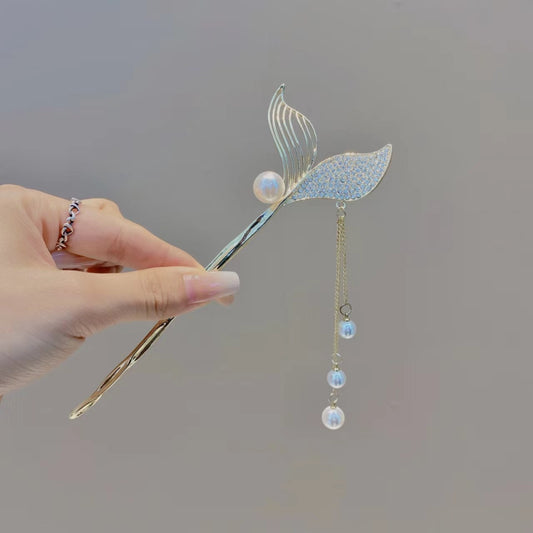
💎 Burnt Blue Orchid Pearl Tassel Hairpin

This stunning Burnt Blue Orchid Pearl Tassel Hairpin combines cloisonné enamel techniques with pearl accents. The soft blue enamel contrasts with the shimmering silver base, creating an accessory that is both elegant and eye-catching. View details →
4. Symbolism in Traditional Hairpins
Chinese hairpins often carried auspicious meanings. Some common motifs included:
- Orchid (兰花) – purity, elegance, and scholarly refinement.
- Phoenix (凤凰) – prosperity, rebirth, and feminine beauty.
- Peony (牡丹) – wealth and honor.
- Lotus (莲花) – purity of the mind and body.
When combined with filigree or cloisonné techniques, these designs became more than ornaments—they embodied blessings, virtues, and cultural identity.
🦚 Phoenix Pearl Tassel Hairpin

This exquisite Phoenix Pearl Tassel Hairpin represents rebirth, grace, and prosperity. Crafted with intricate detailing and elegant pearls, it captures the spirit of traditional Chinese symbolism. View details →
5. Why Choose Filigree and Cloisonné Hairpins Today?
In modern fashion, filigree and cloisonné hairpins continue to enchant enthusiasts of Chinese culture and handmade jewelry. They are perfect for:
- Cultural events such as Chinese New Year, weddings, or traditional festivals.
- Gifts that carry symbolic blessings of prosperity, health, and love.
- Personal style—adding elegance to daily wear or special occasions.
- Collectors who appreciate traditional craftsmanship.
Whether you are looking to connect with cultural heritage or to add a timeless piece to your jewelry collection, filigree and cloisonné hairpins remain an exquisite choice.
Conclusion
The art of filigree and cloisonné in traditional hairpins reflects the essence of Chinese culture—grace, symbolism, and timeless beauty. Each piece tells a story, crafted by artisans who carry centuries-old traditions. By wearing or gifting one of these hairpins, you embrace not just an ornament but a piece of living heritage.