Within the symbolic system of traditional Chinese culture, the pursuit of longevity and happiness has never remained an abstract ideal. Instead, it is expressed through tangible, richly meaningful images, characters, and objects that are deeply woven into everyday life and the spiritual world. These symbols are far more than decorative motifs—they are silent philosophies and visible blessings, carrying the collective aspirations and life wisdom of the Chinese people across millennia.
From imperial palaces to ordinary households, from bronze, jade, and porcelain to ink and silk, this distinctive visual language constructs a cultural landscape infused with auspicious meaning—one in which wishes for “long life” and “peaceful contentment” become something that can be seen, touched, and lived.
I. The Core Symbol of Longevity: The Many Forms of the “Shou” (寿) Character and the Visualization of Life Philosophy
Among all symbols of longevity, the Chinese character “Shou” (寿) stands as the most direct and essential cultural totem. Its evolution and application vividly reflect the Chinese reverence for the length of life and the artistic transformation of that ideal.
The Aesthetic Forms and Sacred Meaning of “Shou”:
The character “Shou” itself embodies the wish for long life. Across seal script, clerical script, regular script, and countless stylized variations, it has acquired unique aesthetic and auspicious significance. Most celebrated is the “Hundred Shou Chart” (百寿图)—a calligraphic composition featuring one hundred different forms of the “Shou” character.
These variations may resemble tadpoles (ancient pictographic scripts), constellations, or coiling dragons and serpents, showcasing the expressive beauty of Chinese characters. Beyond calligraphy, the Hundred Shou Chart serves as a powerful visual blessing: “one hundred shou” symbolizes a centenarian life, wishing vitality, continuity, and endless transformation.
Equally common are the “Round Shou” (团寿) and “Long Shou” (长寿) designs:
- Round Shou: With smooth, continuous lines forming a closed circle, it symbolizes completeness, cyclical renewal, and unbroken fortune.
- Long Shou: An elongated form emphasizing endurance and the wish for a long, lasting life.
These characters are often paired with symbolic motifs such as bats (a homophone for “fortune”), gourds (fortune and prosperity), longevity peaches, and cranes, creating layered meanings such as “complete fortune and longevity” and “enduring blessings.”
Longevity Personified: The God of Longevity
Beyond written symbols, longevity is personified in the beloved figure of the God of Longevity (Shouxing, 南极仙翁). Typically depicted with a high domed forehead (wisdom and celestial insight), flowing white beard, and a longevity peach or staff, accompanied by cranes or deer, Shouxing transforms the abstract concept of long life into a warm, approachable presence.
He represents not only extended years, but also health, wisdom, dignity, and serenity in old age—an ideal of graceful longevity rather than mere survival.

II. The Many Dimensions of Happiness: The Homophonic Universe of “Fu” (福)
Compared with “Shou,” which focuses on the length of life, “Fu” (福) represents a broader, more worldly vision of happiness. Through an extensive system of homophones, everyday plants, animals, and objects are transformed into vessels of auspicious meaning.
The Supreme Status of the “Fu” Character:
During the Lunar New Year, families traditionally display the character “Fu” upside down, symbolizing “fortune has arrived”. This act itself becomes a ritual of invitation and hope. Imperial calligraphy of the “Fu” character was once regarded as the highest blessing, symbolizing benevolence bestowed upon the people.
The Wisdom of Homophonic Symbolism:
One of the most ingenious aspects of Chinese auspicious culture lies in its use of linguistic homophones:
- Bats (蝙蝠): “Bat” (fu) sounds like “fortune” (fu), making it the foremost symbol of blessing. Five bats surrounding a Shou character form the motif “Five Blessings Embrace Longevity”.
- Gourds (葫芦): Homophones for fortune and prosperity, with trailing vines and many seeds symbolizing abundance and generational continuity.
- Fish (鱼): Homophone for “surplus,” representing abundance year after year.
- Deer (鹿): Homophone for “official salary,” symbolizing wealth and status.
- Vases (瓶): Homophone for “peace,” conveying safety and harmony.
- Persimmons (柿): Homophone for “affairs,” often paired with a ruyi scepter to mean “everything goes as wished.”
Alongside symbols such as pomegranates (fertility), peonies (wealth), and magpies (joy), these motifs form a panoramic vision of happiness—one that integrates material comfort, family harmony, health, peace, success, and emotional fulfillment.

III. Fortune and Longevity United: A Philosophy of Wholeness
In Chinese thought, neither longevity alone nor happiness alone represents the highest ideal. True fulfillment lies in “complete fortune and longevity” (福寿双全).
Classic Symbolic Combinations:
- Bats with Longevity Peaches or Shou Characters: A direct expression of quality life paired with long life.
- Cat, Butterfly, and Peony: A homophonic blessing for advanced age, wealth, and honor.
- Pine, Crane, and Deer: A timeless trio symbolizing health, longevity, and auspicious peace.
- Shouxing, Magu, and the Queen Mother of the West: A celestial ensemble offering comprehensive blessings of longevity.
These combinations reflect the Chinese philosophy of balance and harmony: longevity without dignity is incomplete, and happiness without endurance is fleeting. Only when both are present does life reach true fulfillment.
IV. Carriers of Meaning: Fortune and Longevity in Art and Daily Life
The vitality of auspicious symbols lies in their integration into art, architecture, and daily objects:
- Painting & Calligraphy: Shou characters, Pine-and-Crane longevity paintings, and Five Blessings motifs.
- Architecture: Decorative carvings, lattice windows, and spirit walls adorned with auspicious imagery.
- Decorative Objects: Porcelain, jade, lacquerware, and furniture featuring Shou characters and symbolic patterns.
- Textiles & Embroidery: From imperial robes to folk garments, blessings are worn and carried.
- Festivals & Rituals: New Year couplets, longevity noodles, wedding symbols, and ceremonial foods.

V. Modern Resonance: Contemporary Interpretations and Emotional Comfort
In today’s globalized world, these ancient symbols have not faded. Instead, they have evolved—becoming markers of cultural identity and emotional connection. Modern designs reinterpret traditional motifs, while digital expressions translate age-old blessings into contemporary forms.
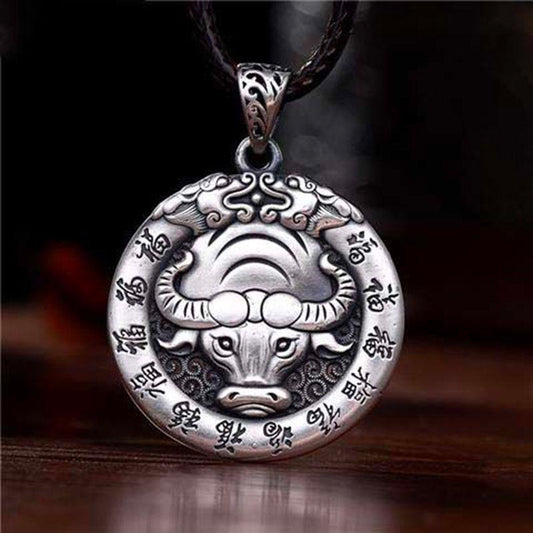
More importantly, symbols of longevity, peace, and fulfillment offer positive psychological affirmation in an uncertain world. Whether through jewelry, home décor, or calligraphy, they provide quiet reassurance and a sense of continuity—cultural talismans for modern life.
Conclusion: Eternal Wishes Engraved in Everyday Life
Chinese symbols of fortune and longevity form a profound cultural system rooted in observation, language, and love for life itself. From a single Shou character to intricate homophonic compositions, these symbols transform life’s deepest concerns into tangible beauty.
They remind us that happiness, in Chinese philosophy, is not an abstract promise of another world, but a lived ideal—visible, touchable, and achievable in this life. The enduring wish for “complete fortune and longevity” transcends superstition, embodying instead an optimistic, resilient, and deeply human outlook on life.
No matter how times change, respect for life’s length and aspiration for life’s quality will continue to echo through these timeless symbols—renewed, reinterpreted, and passed on from generation to generation.