The moon holds a special place in Chinese culture, symbolizing beauty, harmony, and the cyclical nature of life. From ancient legends to modern festivals, the moon represents more than a celestial body—it embodies emotional connection, reflection, and a bridge between families and loved ones.

Historical Significance of the Moon
In Chinese history, the moon has been revered for thousands of years. Ancient poets often praised its serene beauty, while emperors and scholars saw it as a symbol of peace and prosperity. The moon’s phases were also essential in traditional calendars, guiding agricultural activities and marking festivals.
Legends and Folklore
One of the most famous moon legends is that of Chang'e, the Moon Goddess. According to the story, Chang'e drank an elixir of immortality and ascended to the moon, where she resides to this day. Her tale is celebrated during the Mid-Autumn Festival, reminding people of love, longing, and reunion with family.
Cultural Festivals and Practices
The moon is central to many Chinese festivals, especially the Mid-Autumn Festival. Families gather to admire the full moon, enjoy mooncakes, and express wishes for health and happiness. The moon symbolizes completeness, unity, and prosperity, making it a powerful cultural icon.
Symbolism in Art and Literature
In art and literature, the moon often represents tranquility and reflection. Poets like Li Bai and Su Shi wrote extensively about moonlit nights, connecting personal emotions with natural beauty. The moon’s ethereal glow inspires creativity and spiritual contemplation.
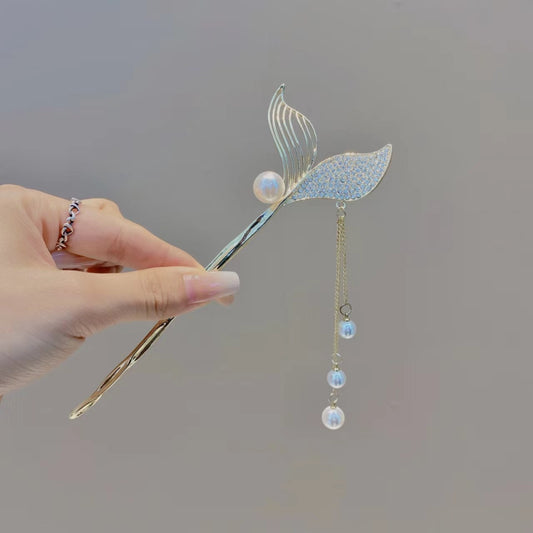
Featured Moon-Inspired Accessory 1

The Moon and Symbolic Meanings
The moon symbolizes harmony, femininity, and the passage of time. In Chinese philosophy, it represents yin energy, complementing the sun’s yang. Its gentle light is associated with nurturing qualities, intuition, and reflection. The moon’s presence in gardens, paintings, and poetry evokes calmness and introspection.
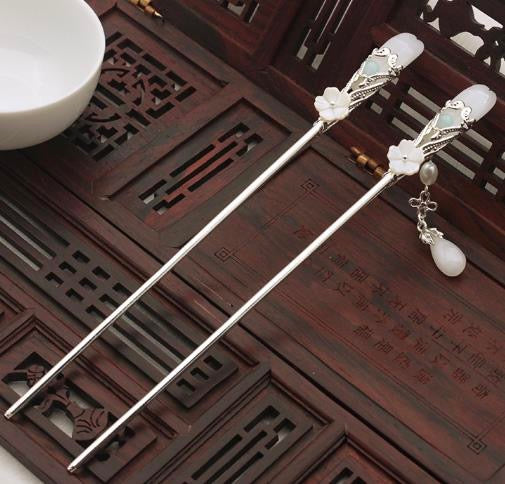
Featured Moon-Inspired Accessory 2

Moon in Modern Culture
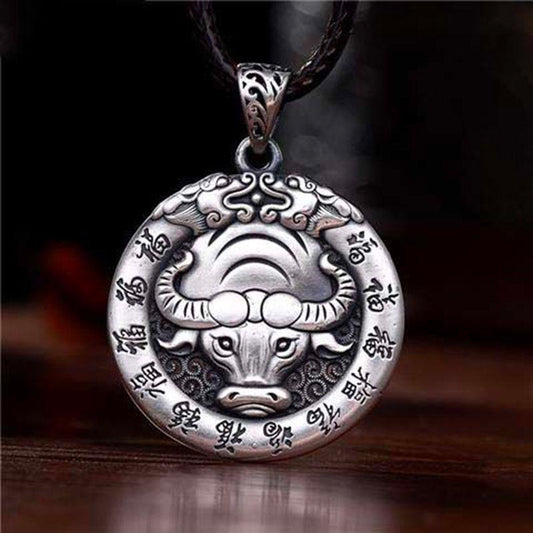
Today, the moon continues to inspire modern fashion, accessories, and art. Its symbolic meanings are integrated into jewelry, hair accessories, and decorative items, connecting people with tradition while embracing contemporary aesthetics.
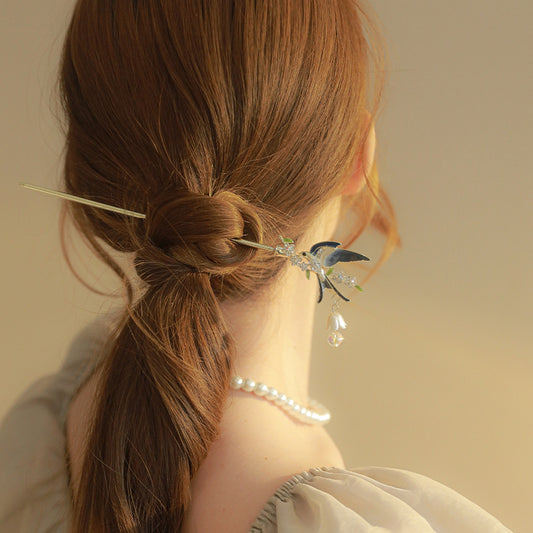
Featured Moon-Inspired Accessory 3

Conclusion
The moon in Chinese culture is far more than a celestial object—it symbolizes harmony, reflection, femininity, and family reunion. From ancient poetry and folklore to modern fashion and accessories, the moon continues to inspire and connect generations. Moon-inspired products, such as hairpins adorned with glass lotus, pearls, and tassels, allow individuals to carry the moon’s elegance and symbolism into everyday life.
Want to explore more beautiful Chinese-style accessories? Visit
https://www.chinese-showcase.com/