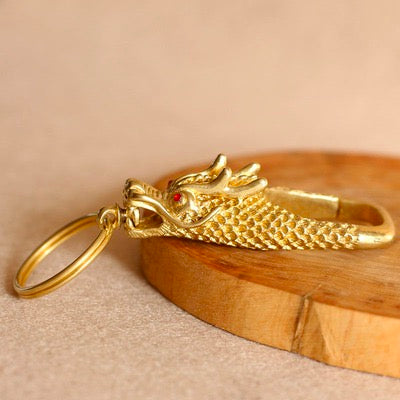
In traditional Chinese Feng Shui and folk belief, Pixiu (Píxiū) is widely revered as an auspicious mythical creature believed to attract wealth, ward off evil, and protect its owner. However, with the growing popularity of Pixiu jewelry and home decor, a common question has emerged: Can Pixiu bring bad luck?
This article examines the topic from multiple perspectives—historical origins, cultural symbolism, Feng Shui principles, and real-world practice—to clarify misconceptions and reveal the true nature of Pixiu.
1. Cultural Origins and Fundamental Attributes of Pixiu
1.1 Pixiu in Historical Records
The image of Pixiu can be traced back to ancient Chinese texts, evolving from a symbol of warfare into one of wealth and protection.
- Pre-Qin Period – A War Beast: According to Records of the Grand Historian, the Yellow Emperor trained bears, tigers, and Pixiu as fierce battle beasts. At this stage, Pixiu symbolized military power and bravery.
- Han Dynasty – Guardian Spirit: Pixiu appeared in tomb art as a guardian creature, gradually taking on the role of warding off evil.
- Tang to Qing Dynasties – Wealth Symbol: The belief that Pixiu has “a mouth but no anus, only taking in wealth and never letting it out” became widespread, making it a favorite among merchants and officials.
1.2 Physical Features and Types
Common Characteristics:
- Dragon-like head (sometimes lion-like)
- Muscular body resembling a horse or bear
- Hooves similar to a Qilin
- Curled or fan-shaped tail
- Distinctive feature: mouth without an anus
Main Types:
- Tianlu: Single horn, associated with heavenly fortune
- Bixie: Two horns, focused on warding off evil
- Baijie: A general form believed to neutralize multiple misfortunes
Gender Distinction:
- Male (Pi): Left paw forward, attracts wealth
- Female (Xiu): Right paw forward, guards wealth
- Often used in pairs for balance

2. Positive Meanings and Auspicious Functions
2.1 Wealth Attraction: “Only In, Never Out”
The defining symbolic trait of Pixiu is its ability to absorb wealth without loss, making it especially popular among business owners and investors.
- Used in shops near cash registers
- Placed in offices or on desks
- Worn as bracelets or pendants
- Displayed near home wealth areas or safes
2.2 Protection and Evil Repulsion
Pixiu’s fierce nature is transformed into a protective force in Feng Shui practice.
- Neutralizes negative external energies
- Protects homes and offices
- Shields against workplace conflicts and ill intentions
- Serves as a travel talisman for safety
2.3 Career and Status Enhancement
Historically associated with official success, Pixiu symbolizes ambition, advancement, and recognition—now extended to modern career growth.
3. Why Some Believe Pixiu Brings Bad Luck
3.1 Misinterpretation of Its Fierce Origins
Some misunderstand Pixiu solely as a “ferocious beast,” ignoring its cultural evolution into an auspicious guardian.
- Context matters: ancient war symbolism differs from modern Feng Shui use
- Fierceness is reinterpreted as protection
- Meanings shift across dynasties and regions
3.2 Incorrect Usage and Placement
| Incorrect Placement | Potential Issue | Correct Practice |
|---|---|---|
| Bedroom or bedside | Disturbs rest | Living room or office |
| Facing toilets | Pollutes wealth energy | Avoid unclean areas |
| Below waist level | Disrespectful placement | Place at waist height or above |
| Cluttered surroundings | Blocked energy | Keep environment clean |
3.3 Psychological Suggestion and Misattribution
- Positive belief increases confidence and effort
- Negative belief can create anxiety and poor decisions
- Failures are sometimes wrongly blamed on Pixiu instead of real causes
3.4 Inferior or Fake Products
- Low-quality materials may affect health
- Poor craftsmanship impacts aesthetics and mood
- Fake “consecration” rituals create false expectations

4. Proper Feng Shui Usage Principles
4.1 Consecration and Owner Recognition
- Unconsecrated Pixiu is decorative only
- Proper consecration activates symbolic meaning
- Owner recognition rituals strengthen personal connection
4.2 Placement and Direction
- Home wealth corner (diagonal from main door)
- Office left side (Green Dragon position)
- Bracelets: left hand for wealth, right hand for protection
- Pendant head facing upward or outward
4.3 Daily Care and Maintenance
- Regular gentle cleaning
- Moonlight or incense purification
- Handle respectfully
- Damaged Pixiu should be retired properly
5. A Rational Modern Perspective
5.1 Cultural Psychology
- Provides a sense of security
- Enhances control in uncertain environments
- Acts as a positive psychological anchor
5.2 Social and Commercial Context
- Widely used in finance and business branding
- Part of cultural globalization
- Shift from mystical belief to cultural expression
5.3 Practical Advice
- Respect tradition without blind belief
- Appreciate symbolic and aesthetic value
- Never replace effort with superstition
6. How to Choose a Quality Pixiu
6.1 Materials
- Jade (A-grade preferred)
- Hetian jade with oily luster
- Gold, silver, or natural wood
- Avoid synthetic or chemically treated materials
6.2 Craftsmanship
- Balanced proportions
- Clear facial details
- Smooth finishing
- No sharp edges or mold marks
6.3 Purchasing Channels
- Reputable brands
- Certified cultural stores
- Trusted online shops
- Avoid suspiciously cheap offers

Conclusion: Wisdom in Using Cultural Symbols
Pixiu, by design, is an auspicious symbol in Chinese culture. Claims that it brings bad luck are largely the result of misunderstanding, misuse, or psychological projection.
- Respect tradition
- Avoid excessive superstition
- Value personal effort
- Integrate culture with modern rationality
Pixiu does not bring misfortune—but misinterpretation might. When approached with clarity, balance, and respect, Pixiu serves not as a supernatural dependency, but as a meaningful cultural symbol, an aesthetic expression, and a source of positive psychological reinforcement.