Chinese hairpins, known as fazan (发簪), have been a key element of traditional hairstyles for thousands of years. They combine craftsmanship, cultural symbolism, and fashion. Jade, gold, and silver are among the most treasured materials used in hairpin making, each offering unique visual appeal, symbolic meanings, and cultural significance. From daily wear to ceremonial occasions, these hairpins reflect the elegance and sophistication of Chinese heritage.
The Significance of Jade in Hairpins
Jade has been highly valued in China since ancient times and is considered the "Stone of Heaven." In hairpin crafting, jade conveys purity, grace, and moral integrity. It is believed to bring protection, harmony, and positive energy to the wearer. Jade hairpins often feature carved motifs of flowers, birds, or auspicious symbols, each with deep cultural significance. For example, lotus flowers symbolize purity, and butterflies represent love and freedom.

Gold Hairpins — Symbol of Status and Wealth
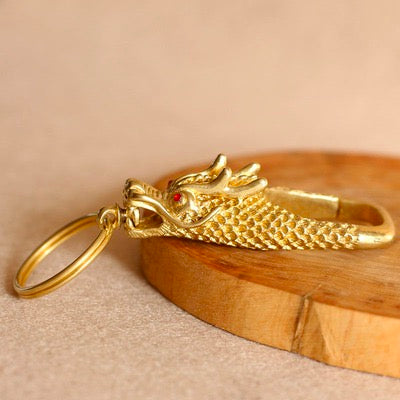
Gold hairpins are traditionally associated with nobility, prosperity, and high social status. In ancient China, gold hairpins were often worn by royalty and high-ranking officials during ceremonies and weddings. Designs frequently include dragons, phoenixes, or elaborate floral patterns, sometimes combined with gemstones or pearls. A gold hairpin is not just an accessory but a statement of elegance and prestige.

Silver Hairpins — Elegance and Versatility
Silver hairpins are cherished for their timeless beauty and versatility. Silver represents purity, elegance, and balance. Skilled artisans use techniques such as filigree, engraving, and tassel attachments to create intricate designs. Silver hairpins are suitable for both everyday wear and formal events, often complementing Hanfu attire and other traditional costumes.

Traditional Crafting Techniques
Crafting Chinese hairpins is a meticulous process. Artisans carefully select high-quality jade, gold, or silver and then carve, engrave, or filigree the pieces. Techniques such as inlaying gemstones, attaching tassels, and polishing surfaces are combined to create visually stunning, durable, and meaningful accessories. Each hairpin is a testament to the skill and patience of the craftsman, often taking weeks to complete.
Symbolism in Hairpin Designs
- Floral motifs: Represent beauty, growth, and prosperity.
- Dragons & phoenixes: Symbols of power, protection, and harmony.
- Butterflies: Convey elegance, freedom, and love.
- Jade carvings: Impart purity, spiritual protection, and positive energy.
How to Wear Jade, Gold, and Silver Hairpins
Hairpins can be styled in many ways depending on the occasion:
- Elegant buns or chignons secured with a single jade or silver hairpin for casual or formal looks.
- High ceremonial updos adorned with gold hairpins for weddings, traditional dances, and festivals.
- Layering multiple hairpins to create a luxurious, visually captivating effect.
- Combining hairpins with Hanfu or traditional attire for full cultural elegance.
Care Instructions
- Jade hairpins: Wipe with a soft cloth, avoid chemicals, store in a cool place.
- Gold hairpins: Store in a soft pouch, clean gently with mild soap if needed.
- Silver hairpins: Polish regularly, avoid prolonged contact with water or perfume.
Conclusion
Chinese hairpins made from jade, gold, and silver are more than decorative accessories; they are cultural treasures that embody history, artistry, and meaning. Whether for everyday elegance or ceremonial occasions, these hairpins elevate any hairstyle and reflect centuries of Chinese craftsmanship. Explore our curated selection to find authentic Hanfu hairpins that combine tradition, beauty, and functionality.