At the turn of each year, a quiet yet profound transition unfolds in the long corridor of time. From the quick-witted Rat to the steadfast Ox, from the mighty Tiger of the mountains to the gentle Rabbit of the moon, twelve symbolic animals arrive in sequence, each taking its turn to govern the rhythm of years. This is not a simple list of creatures, but a cultural code deeply engraved in the collective memory of the Chinese people— a poetic dialogue between Chinese civilization and time itself.

The Origin and Philosophy of the Chinese Zodiac
The formation of the Chinese Zodiac (Sheng Xiao) is the result of ancient astronomical observation intertwined with animal symbolism. It ingeniously aligns the approximately twelve-year orbital cycle of Jupiter with animals familiar in daily life, creating an intuitive calendar system. Yet its meaning extends far beyond timekeeping.
The zodiac forms a philosophical bridge between Heaven, Earth, and humanity. Rooted in the Heavenly Stems and Earthly Branches, Yin–Yang theory, and the Five Elements, each animal embodies specific elemental and energetic attributes. Their cyclical interactions reflect the traditional Chinese worldview of balance, harmony, and the enduring order of the universe.
Zodiac Animals in Chinese Culture
Over centuries, zodiac culture has permeated every aspect of Chinese life. It influences traditional marriage compatibility readings, assigns each newborn a lifelong zodiac sign, and flourishes in literature and art—from classic novels and poetry to folk paper-cuttings and festive decorations.
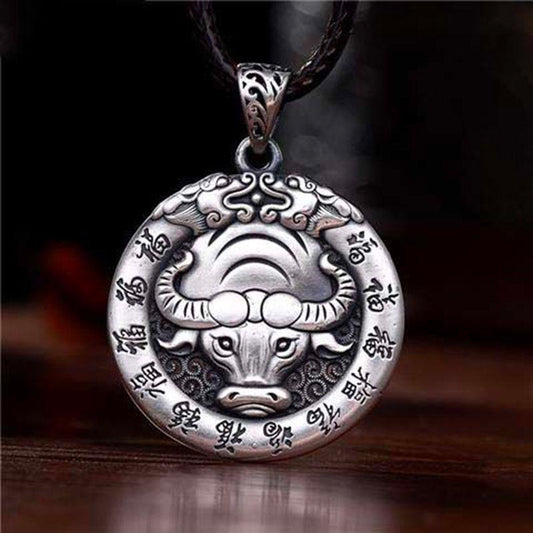
More importantly, each animal conveys moral symbolism: the diligence of the Ox, the courage of the Tiger, the vitality of the Horse, and the kindness of the Goat. These traits have long served as metaphors for character education, shaping values and personal identity across generations.
Shared Emotion and Cultural Identity
The annual rotation of zodiac animals unites people emotionally. Customs such as wearing red in one’s zodiac year evoke cultural belonging, especially for those living far from home. Each year, over one-fifth of the world’s population welcomes a new zodiac symbol, hoping for blessings such as prosperity, strength, and good fortune.
In the modern world, the Chinese Zodiac has become one of the most approachable and engaging ambassadors of Chinese culture, bridging traditions across borders.
History of the Chinese New Year Animals
The history of the Chinese Zodiac dates back thousands of years. Early traces appear in pre-Qin texts alongside the Earthly Branches. By the Han Dynasty, the system became standardized as astronomical studies and Yin–Yang philosophy matured.
Scholars such as Wang Chong of the Eastern Han Dynasty documented clear correspondences between zodiac animals and the Earthly Branches. The selection of animals reflects ancient totem worship, daily observation of animal behavior, and later, vivid folk legends such as the famous “Heavenly Race” story.
Through successive dynasties, zodiac imagery spread into burial art, festivals, rituals, and everyday beliefs. Today, it remains a living cultural tradition—constantly evolving while preserving its spiritual core.
Chinese New Year Animals List
The twelve Chinese zodiac animals, in fixed order, are: Rat, Ox, Tiger, Rabbit, Dragon, Snake, Horse, Goat, Monkey, Rooster, Dog, Pig.
| Earthly Branch | Zodiac Animal | Time Period (Traditional) | Symbolic Traits |
|---|---|---|---|
| Zi | Rat | 11:00 PM – 1:00 AM | Intelligence, adaptability |
| Chou | Ox | 1:00 AM – 3:00 AM | Diligence, reliability |
| Yin | Tiger | 3:00 AM – 5:00 AM | Courage, leadership |
| Mao | Rabbit | 5:00 AM – 7:00 AM | Gentleness, elegance |
| Chen | Dragon | 7:00 AM – 9:00 AM | Power, ambition |
| Si | Snake | 9:00 AM – 11:00 AM | Wisdom, intuition |
| Wu | Horse | 11:00 AM – 1:00 PM | Energy, freedom |
| Wei | Goat | 1:00 PM – 3:00 PM | Kindness, creativity |
| Shen | Monkey | 3:00 PM – 5:00 PM | Cleverness, flexibility |
| You | Rooster | 5:00 PM – 7:00 PM | Confidence, precision |
| Xu | Dog | 7:00 PM – 9:00 PM | Loyalty, honesty |
| Hai | Pig | 9:00 PM – 11:00 PM | Generosity, prosperity |
To find your Chinese zodiac sign, identify your birth year according to the Chinese lunar calendar, then match it to the corresponding animal in the cycle above.
Chinese New Year Animals Chart(1926–2026)(What Is My Chinese Zodiac Sign?)
The Chinese Zodiac follows a repeating 12-year cycle, with each year represented by a symbolic animal. This system has been used for thousands of years to mark time, understand personality traits, and express cultural identity.
Important: Chinese Zodiac years are based on the Lunar New Year, which usually falls between late January and mid-February. If your birthday is before the Lunar New Year, your zodiac sign belongs to the previous year.
| Year | Chinese Zodiac Animal |
|---|---|
| 1926 | Tiger |
| 1927 | Rabbit |
| 1928 | Dragon |
| 1929 | Snake |
| 1930 | Horse |
| 1931 | Goat |
| 1932 | Monkey |
| 1933 | Rooster |
| 1934 | Dog |
| 1935 | Pig |
| 1936 | Rat |
| 1937 | Ox |
| 1938 | Tiger |
| 1939 | Rabbit |
| 1940 | Dragon |
| 1941 | Snake |
| 1942 | Horse |
| 1943 | Goat |
| 1944 | Monkey |
| 1945 | Rooster |
| 1946 | Dog |
| 1947 | Pig |
| 1948 | Rat |
| 1949 | Ox |
| 1950 | Tiger |
| 1951 | Rabbit |
| 1952 | Dragon |
| 1953 | Snake |
| 1954 | Horse |
| 1955 | Goat |
| 1956 | Monkey |
| 1957 | Rooster |
| 1958 | Dog |
| 1959 | Pig |
| 1960 | Rat |
| 1961 | Ox |
| 1962 | Tiger |
| 1963 | Rabbit |
| 1964 | Dragon |
| 1965 | Snake |
| 1966 | Horse |
| 1967 | Goat |
| 1968 | Monkey |
| 1969 | Rooster |
| 1970 | Dog |
| 1971 | Pig |
| 1972 | Rat |
| 1973 | Ox |
| 1974 | Tiger |
| 1975 | Rabbit |
| 1976 | Dragon |
| 1977 | Snake |
| 1978 | Horse |
| 1979 | Goat |
| 1980 | Monkey |
| 1981 | Rooster |
| 1982 | Dog |
| 1983 | Pig |
| 1984 | Rat |
| 1985 | Ox |
| 1986 | Tiger |
| 1987 | Rabbit |
| 1988 | Dragon |
| 1989 | Snake |
| 1990 | Horse |
| 1991 | Goat |
| 1992 | Monkey |
| 1993 | Rooster |
| 1994 | Dog |
| 1995 | Pig |
| 1996 | Rat |
| 1997 | Ox |
| 1998 | Tiger |
| 1999 | Rabbit |
| 2000 | Dragon |
| 2001 | Snake |
| 2002 | Horse |
| 2003 | Goat |
| 2004 | Monkey |
| 2005 | Rooster |
| 2006 | Dog |
| 2007 | Pig |
| 2008 | Rat |
| 2009 | Ox |
| 2010 | Tiger |
| 2011 | Rabbit |
| 2012 | Dragon |
| 2013 | Snake |
| 2014 | Horse |
| 2015 | Goat |
| 2016 | Monkey |
| 2017 | Rooster |
| 2018 | Dog |
| 2019 | Pig |
| 2020 | Rat |
| 2021 | Ox |
| 2022 | Tiger |
| 2023 | Rabbit |
| 2024 | Dragon |
| 2025 | Snake |
| 2026 | Horse |
Chinese Zodiac Cycle Order
Rat → Ox → Tiger → Rabbit → Dragon → Snake → Horse → Goat → Monkey → Rooster → Dog → Pig