Chinese hairpins are more than accessories; they are symbols woven into the fabric of culture, history, and personal identity. Among the most celebrated designs are the phoenix and the lotus, each carrying profound meanings that transcended fashion into the realms of love, purity, power, and spiritual rebirth. These motifs found in ancient hairpins reveal not only aesthetic beauty but also the philosophy of life cherished by generations.
1. The Phoenix: Symbol of Love, Nobility, and Rebirth
In Chinese mythology, the phoenix—or fenghuang—is the queen of birds and an emblem of high virtue, grace, and harmony. Often paired with the dragon, it symbolizes matrimonial bliss and the balance of yin and yang. Women adorned with phoenix hairpins conveyed elegance, wisdom, and noble character.
The phoenix also represented rebirth and transformation, much like the mythical bird that rises from ashes. Wearing a phoenix hairpin was a declaration of strength and the ability to flourish despite hardships. Brides, in particular, often wore phoenix hairpins to signify not only beauty but also loyalty and the promise of a prosperous union.

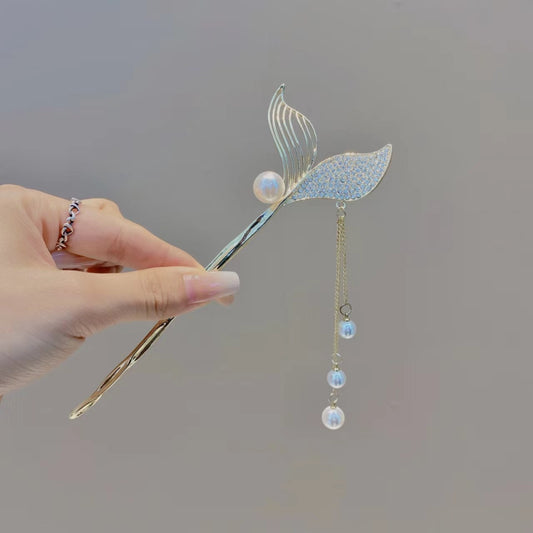
Phoenix Wings Pearl Tassel Hairpin
This exquisite hairpin features delicate phoenix wings and pearl tassels, symbolizing grace, love, and eternal beauty. Perfect for weddings or elegant occasions.
View Product2. The Lotus: Purity, Resilience, and Spiritual Awakening
The lotus flower holds sacred meaning in Chinese culture. Rising from the mud yet blooming with untainted beauty, it embodies purity, perseverance, and enlightenment. In Confucian thought, the lotus symbolized uprightness and moral integrity, while in Buddhism it represented spiritual awakening and the path to Nirvana.
Hairpins adorned with lotus motifs were more than ornaments; they were reminders to stay virtuous in the face of difficulties and to seek higher wisdom. Women who wore lotus hairpins expressed inner purity and resilience, values admired in both family and society.

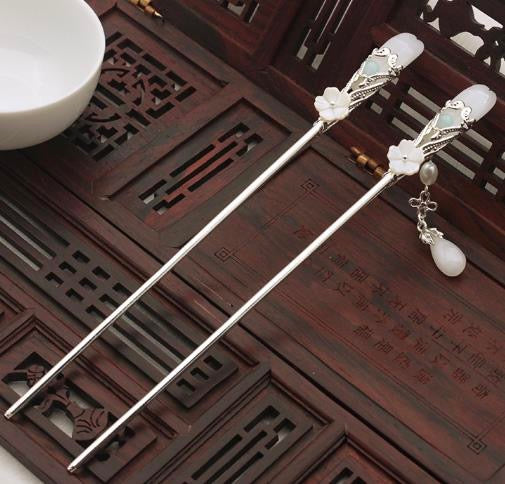
Moonlight Glass Lotus Hairpin
A delicate hairpin inspired by lotus blossoms under the moonlight. It represents purity of heart, resilience, and spiritual growth, making it an ideal keepsake.
View Product3. Phoenix and Lotus Together: Harmony of Heaven and Earth
When phoenix and lotus motifs were combined in hairpins, the symbolism deepened. The phoenix embodied divine grace and marital bliss, while the lotus stood for purity and spiritual enlightenment. Together, they represented harmony of body and soul, love and virtue, heaven and earth. These hairpins were treasured as talismans of balance and blessings.
Such designs were often reserved for special occasions—weddings, coronations, and ceremonies—where the wearer was honored as a paragon of beauty, virtue, and nobility.

Phoenix and Lotus Harmony Hairpin
A masterful design combining phoenix and lotus motifs, representing the union of love, virtue, and rebirth. This timeless accessory embodies the essence of Chinese cultural symbolism.
View Product4. Modern Appreciation of Phoenix and Lotus Hairpins
Today, phoenix and lotus hairpins remain cherished symbols, bridging tradition and fashion. Brides wear them to honor their cultural heritage, collectors value them as works of art, and young women incorporate them into modern outfits as statements of timeless elegance. The symbolism of love, purity, and resilience continues to inspire new generations.
5. Conclusion: Eternal Beauty and Meaning
Phoenix and lotus designs in Chinese hairpins are not merely decorative motifs; they are carriers of cultural wisdom, embodying grace, purity, and harmony. To wear one is to embrace centuries of tradition and to walk with the spirit of resilience, love, and enlightenment. Whether for ceremonies, daily adornment, or collection, these designs remain eternal treasures of beauty and meaning.