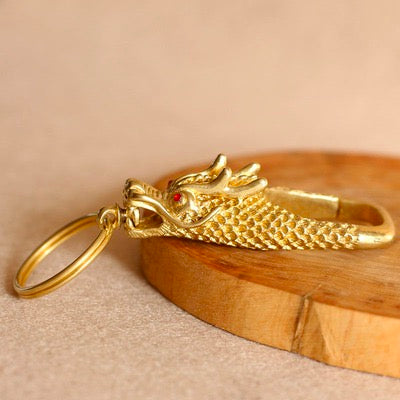
A tea pet is a small, often whimsical figurine that sits on your tea tray during Gongfu Cha (Chinese kung-fu tea). More than décor, it’s a companion for your tea ritual—seasoned with each pour, absorbing tea’s aroma and oils, and embodying blessings such as luck, wealth, longevity, and serenity.
1) Origins & Craft Tradition
The tea pet (茶宠, literally “tea companion”) emerged from the same artisanal culture that produced Yixing purple clay teapots in eastern China. As potters perfected clay bodies, firing curves, and minimalist forms for teaware, they also created small figurines from studio offcuts—lions, turtles, dragons, immortals—placing them on tea trays as playful talismans. Over time, these figures took on meanings rooted in folklore, Buddhism, Daoism, and folk blessings.
Today’s tea pets span a wide range—from traditional auspicious beasts to contemporary designs that bubble, change color, or “drink” and “pee” water. Whether classic or modern, each tea pet is an invitation to slow down, interact, and make every session feel alive.
2) What Does a Tea Pet Do?
Practically, a tea pet sits on the tea tray (茶盘) where rinse water and warm-up pours flow. When you rinse leaves or warm cups, you can “feed” your tea pet: pour leftover liquor over it, let it bathe in heat and aroma, and watch it gradually develop a soft sheen. Some pets incorporate clever channels to spout bubbles, breathe steam, or slowly release water—adding an element of surprise to hospitality.
- Ritual companion: Creates a focal point of fun and mindfulness during brewing.
- Patina canvas: Absorbs tea oils over time, deepening color and luster.
- Story keeper: Reflects your personal journey in tea—the more sessions, the more character.
3) Symbolism: What Different Tea Pets Mean
Because tea pets borrow from Chinese symbolism, each motif offers a distinct blessing:
- Pixiu (貔貅): A mythical wealth guardian said to attract fortune and ward off bad luck.
- Money turtle / tortoise: Longevity, steady prosperity, grounded wisdom.
- Fish: Abundance and flow (the word for fish 鱼 sounds like “surplus”).
- Toad (Three-legged Jin Chan): Windfall luck and business success.
- Child monks / sages: Innocence, clarity, and a reminder to brew with a calm heart.
4) Featured Tea Pets (With Meanings)
Below are three distinctive tea pets you can add to your tray. Each carries a traditional meaning and a bit of modern charm.
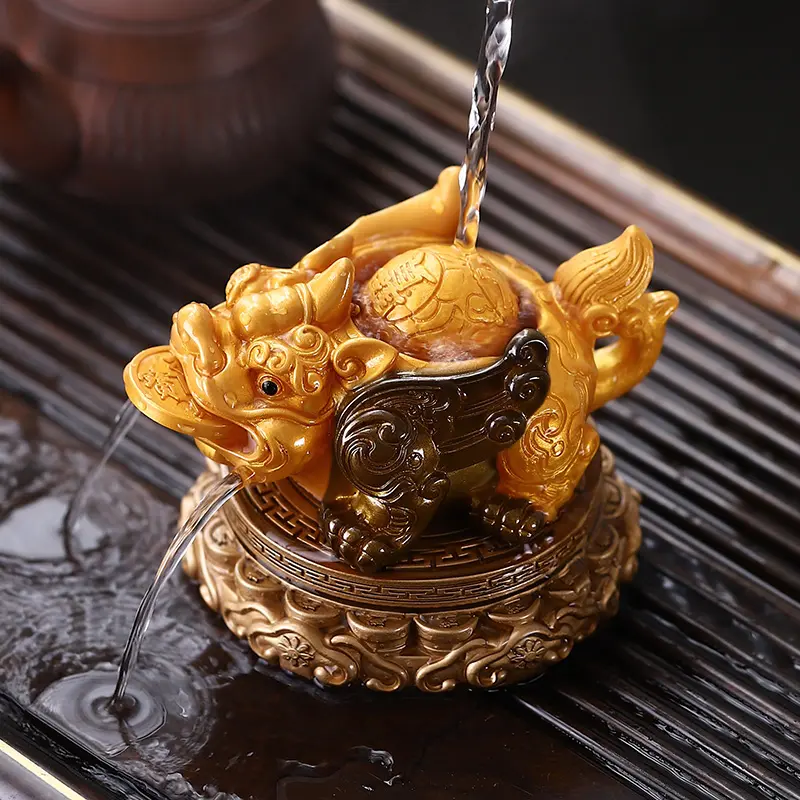
Rotating Color-Changing Pixiu Tea Pet
Meaning: Pixiu is a legendary beast that draws wealth and keeps it—ideal for entrepreneurs and tea lovers who want fortune to “flow in but not out.” This playful design rotates and subtly changes color when warmed and doused with tea, delighting guests while blessing your tea table with prosperity and protection.
Best for: Tea sessions focused on new beginnings, business talks, or housewarmings.
How to Season & Care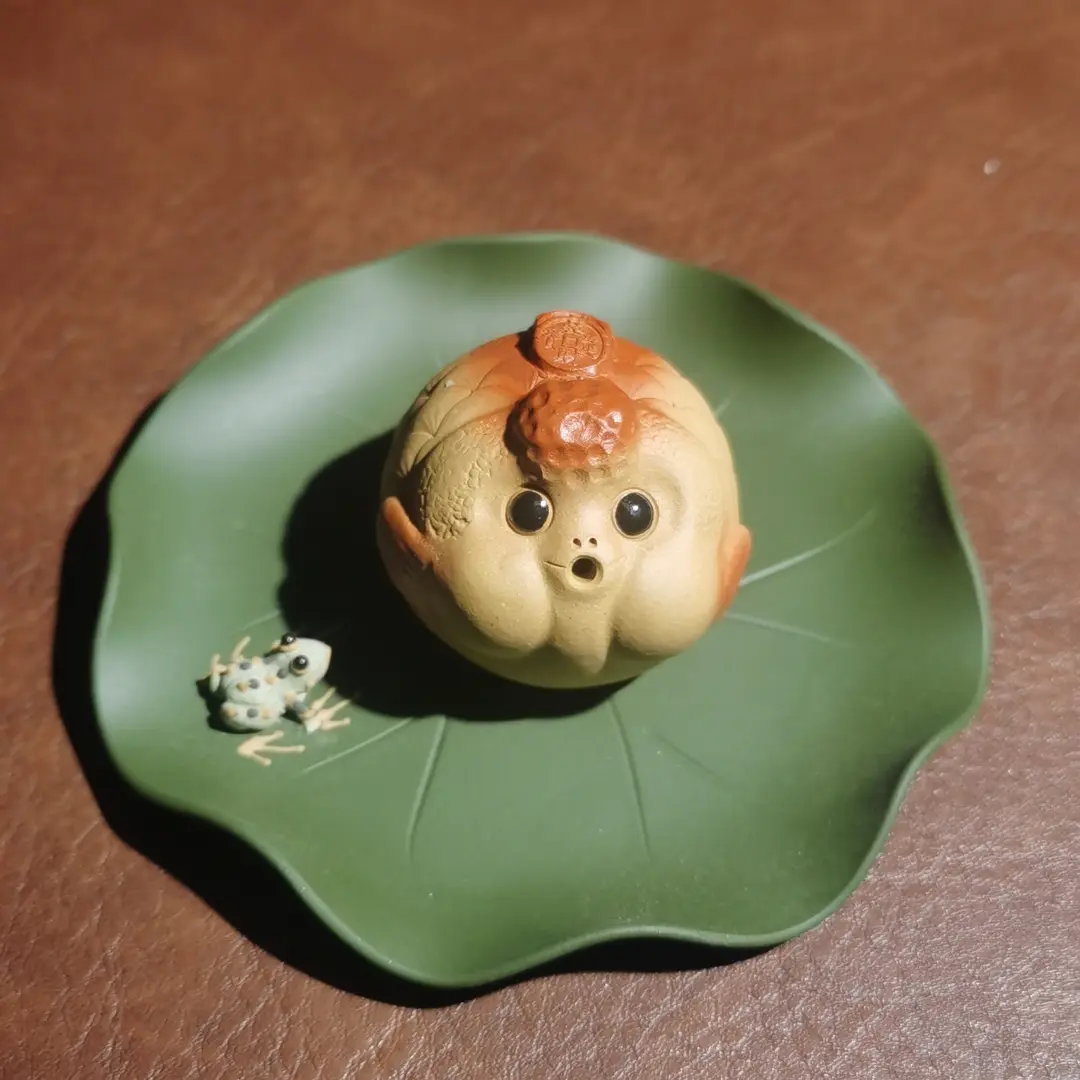
Bubble-Blowing Fish Tea Pet
Meaning: Fish (yú) symbolizes surplus, smooth sailing, and good luck. This clever tea pet blows bubbles when warm water or tea is poured—an instant conversation starter and a nod to abundance and joy at the table.
Best for: Fun, sociable tea sessions and introducing newcomers to Gongfu tea rituals.
How to Use & “Feed”
“Jade” Money Turtle Tea Pet — Wealth & Longevity
Meaning: The turtle is a classic emblem of long life and steady fortune. A jade-like finish amplifies themes of purity and enduring value. Place it near the tea boat spout to receive regular “showers” of tea for a slow, even patina.
Best for: Daily brews where you want calm, focus, and stable energy.
Materials & Patina Tips5) How to Use & “Raise” Your Tea Pet
Tea lovers often say they “raise” a tea pet, the way one cultivates a bonsai or seasons a teapot. Here’s a simple ritual you can follow from day one:
- Rinse & Wake: Before first use, rinse the tea pet with warm water. No detergents—just clean water.
- First Feeding: During your warming rinse (when you preheat cups and pot), pour leftover hot water or the first light rinse of tea over the pet.
- Session Companion: Each infusion, save a small stream to bathe the pet—focus on even coverage if you want uniform patina.
- Wipe & Dry: Gently brush or wipe with a soft, lint-free cloth after the session. Keep it dry between brews.
- Consistency Matters: If you want a particular scent or tone, “feed” primarily with one type of tea (e.g., oolong or shou puer). Mixed teas will still form a beautiful sheen—just with a more neutral aroma.
6) Materials, Patina & Care
Common Materials
- Yixing/Purple Clay: Porous, breathable, and ideal for developing a rich patina.
- Stoneware/Ceramic: Less porous; holds details well; easy maintenance.
- Glazed Ceramics: Glossy look, minimal patina; great for bright colors or reactive glazes.
- Resin/Composite: Allows playful mechanisms (bubbling, color change); easy to clean.
Caring for Your Tea Pet
- Use warm water only. Avoid soaps or detergents (they can seep into porous bodies).
- After each session, wipe gently with a soft cloth to prevent water marks.
- Let it air dry fully; do not seal damp pets in drawers.
- For even patina, rotate orientation occasionally so every side gets fed.
Over weeks and months, you’ll notice a soft luster—the visual story of every pot you’ve brewed.
7) How to Choose the Right Tea Pet
Consider these factors when selecting your companion:
- Meaning: Choose a motif that resonates—wealth (Pixiu), longevity (turtle), abundance (fish), or tranquility (seated sage).
- Interaction: Do you prefer a meditative, still figure or a playful mechanism (color change, bubbles)?
- Scale & Tray Fit: A big pet on a small tray can crowd cups; pick a size that leaves space to pour comfortably.
- Material & Finish: Porous clay for patina lovers; glazed or resin if you want vivid color and simple upkeep.
- Aesthetic Harmony: Match your pet’s tone to your teaware—earthy browns with zisha, jade hues with porcelain, etc.
8) Tea Table Etiquette & Placement
- Place the tea pet where runoff naturally flows—near the tea boat outlet or tray slats.
- Keep it below cup level so splashes don’t hit guests.
- Offer your pet the first or last rinse—a small gesture that sets a calm rhythm.
- If the pet is interactive (bubbles/spouts), signal guests before pouring so they can enjoy the moment.
9) Frequently Asked Questions
- Do I have to pour tea on the pet every time?
- No, but regular “feeding” builds patina and charm. Even a little each session makes a difference.
- Will a tea pet change the taste of my tea?
- Tea pets sit on the tray, not in the pot. They won’t alter flavor—only the mood of your ritual.
- Can I wash a tea pet with soap?
- Avoid detergents, especially for unglazed clay. Use warm water and a soft cloth only.
- How long until I see patina?
- Weeks to months, depending on frequency, tea type, and material. Oolong and puer oils build sheen faster.
- What’s special about Pixiu, fish, and turtle?
- Pixiu draws fortune and protects wealth; fish symbolizes abundance and smooth flow; turtle embodies longevity and steady prosperity.