What is Good Luck in Chinese Culture?
Explore the rich traditions, symbols, and practices in Chinese culture that attract prosperity, happiness, and positive energy.
Introduction
Good luck, known as 吉祥 (jíxiáng) in Chinese, is deeply rooted in Chinese traditions, folklore, and everyday practices. Unlike Western ideas of luck, Chinese good fortune is often tied to symbols, sounds, numbers, colors, and Feng Shui arrangements. The pursuit of good luck encompasses prosperity, health, longevity, and harmonious relationships.
Lucky Numbers in Chinese Culture
Numbers hold a special place in Chinese culture because their pronunciation often resembles words with positive meanings:
- 8 (bā) – sounds like 發 (fā), meaning wealth or success
- 6 (liù) – signifies smoothness and a problem-free life
- 9 (jiǔ) – symbolizes longevity and eternity
- 3 (sān) – represents growth and life
These numbers are commonly used in addresses, phone numbers, wedding dates, and even product pricing to attract positive energy.
Lucky Colors
Colors are an essential component of Chinese symbolism:
- Red – joy, happiness, celebration, and warding off evil spirits
- Gold/Yellow – wealth, royalty, and prosperity
- Green – health, harmony, and growth
- Purple – spiritual fulfillment and nobility
These colors are used in festivals, weddings, clothing, and home decor to create auspicious environments.
Symbols of Good Luck
Various objects and motifs represent good fortune in Chinese culture:
- Phoenix – rebirth, harmony, and beauty
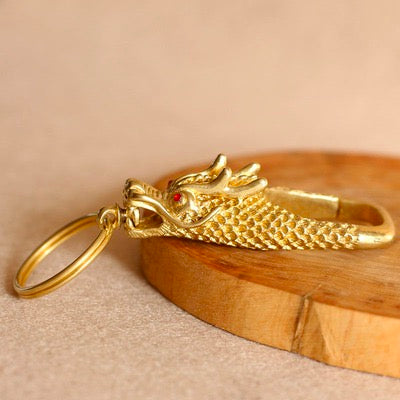
- Dragon – power, success, and protection
- Ruyi – wishes fulfilled, authority, and longevity
- Jade – protection, health, and prosperity

This adjustable phoenix ring symbolizes rebirth, prosperity, and courage, making it an elegant talisman for positive energy and good fortune.

These exquisite earrings combine traditional cloisonné craftsmanship with Feng Shui symbols, enhancing harmony and attracting positive energy.

This pendant integrates Hotan jade with the Ruyi motif, symbolizing longevity, protection, and continuous good luck.
Feng Shui and Good Luck
Feng Shui is the art of arranging spaces to balance energy (chi) and attract fortune. Key tips include:
- Place a wealth vase in the southeast corner to attract abundance
- Keep entrances bright and clear to welcome positive energy
- Display lucky plants like bamboo or money trees for prosperity
- Use water elements such as fountains to symbolize wealth flow
Feng Shui is applied in homes, offices, and even retail spaces to enhance opportunities and well-being.
Applications in Daily Life
Good luck can be integrated into everyday life in subtle but meaningful ways:
- Wearing symbolic jewelry like phoenix rings or jade pendants
- Choosing auspicious colors for clothing, interior design, and packaging
- Selecting favorable dates for weddings, business openings, and important meetings
- Gifting lucky items to convey goodwill and blessings
These practices reflect a mindful approach to life, where symbols and traditions guide positive intentions.
Good Luck in Modern Culture
In contemporary Chinese culture, good luck remains relevant in fashion, art, and commerce. Modern jewelry, decorative items, and clothing often integrate traditional motifs, allowing people to maintain cultural heritage while enhancing personal fortune. For example, phoenix-themed rings, cloisonné earrings, and jade pendants combine craftsmanship with symbolism to attract wealth, happiness, and protection.
Conclusion
Good luck in Chinese culture is more than superstition; it is a living tradition combining symbolism, mindfulness, and daily practice. Lucky numbers, colors, symbols, and Feng Shui principles all work together to create a harmonious environment. By incorporating items like the phoenix ring, cloisonné earrings, and Hotan jade Ruyi pendant, you can invite positive energy, prosperity, and well-being into your life and surroundings.