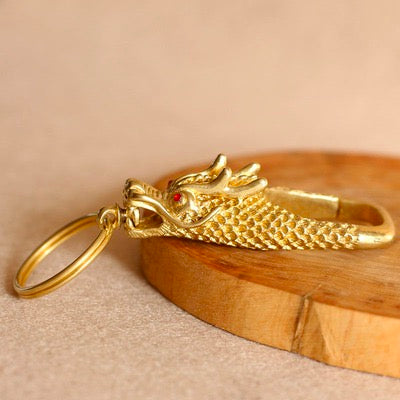
The Chinese hair pin, known as "簪子" (zānzi), is an exquisite accessory that embodies elegance, tradition, and cultural heritage. Dating back thousands of years, hairpins have been used not only to secure hairstyles but also to signify social status, marital status, and personal taste. Today, Chinese hairpins continue to be a key element in traditional Hanfu attire, cosplay, ceremonial occasions, and modern fashion interpretations of Chinese culture.
The Historical Significance of Chinese Hair Pins
Chinese hairpins trace their history back to the Shang and Zhou dynasties, where they were crafted from bronze, jade, ivory, and precious metals. These accessories were not only functional but also symbolized rank, age, and virtue. During the Han dynasty, elaborate designs with motifs like phoenixes, flowers, and mythical creatures became common among noblewomen, while simpler designs were worn by commoners.
Hairpins also played a role in rituals. For instance, young women receiving their first hairpin symbolized their transition into adulthood, and giving a hairpin as a gift could express affection or a blessing of good fortune. Even today, these cultural symbols are reflected in the designs of modern hairpins.
Types of Chinese Hair Pins
There are several types of hairpins commonly used in Chinese culture:
- U-shaped hairpins: Simple yet elegant, often used to secure buns and twists.
- Double hairpins: Paired pins that add decorative symmetry.
- Tassel-decorated pins: Popular for festivals and weddings; tassels add movement and flair.
- Ornamental stick pins: Often adorned with jade, gemstones, or metalwork for special occasions.
Choosing the right type of hairpin depends on the hairstyle, occasion, and personal preference. Modern Hanfu enthusiasts often combine different styles to achieve layered and visually rich looks.
Step-by-Step Guide: How to Use a Chinese Hair Pin
Using a Chinese hair pin may seem complex at first, but with practice, it becomes intuitive. Here is a detailed guide:
- Step 1: Prepare your hair – Comb your hair to remove tangles and decide on a hairstyle. Common options include buns, half-up styles, or twisted knots.
- Step 2: Create a base – For buns or twists, gather your hair and secure it loosely with an elastic band or small clip.
- Step 3: Insert the hairpin – Hold the hairpin horizontally and slide it through the bun or twist. Make sure it goes deep enough to hold the hair securely.
- Step 4: Adjust the decorative end – Position the decorative top so that it is visible, ensuring the tassels or ornaments are displayed elegantly.
- Step 5: Optional layering – Combine multiple hairpins for a richer style. Tassel pins can be added last for movement and elegance.
Practice makes perfect. Start with simpler styles before attempting intricate designs. Understanding the hairpin’s weight, length, and balance is key to achieving a secure and beautiful hairstyle.

This elegant double hairpin features delicate butterfly tassels, symbolizing grace, transformation, and beauty. It is perfect for Hanfu enthusiasts who wish to express sophistication and feminine charm.

This U-shaped hairpin features bamboo leaves and three gourds, representing peace, longevity, and good fortune. It is ideal for daily wear or special events, and its design incorporates classic Chinese symbolism with a vintage charm.

The green peacock hairpin set draws inspiration from the majestic peacock, symbolizing elegance, dignity, and beauty. Tassels create dynamic movement, making it perfect for ceremonies, weddings, or formal events.
Styling Tips for Chinese Hair Pins
To make the most of your hairpins:
- Coordinate hairpin colors with your Hanfu or outfit for a harmonious look.
- Layer multiple pins to create depth and visual interest.
- Use tassel or butterfly pins for festive occasions, while simpler designs suit daily wear.
- Consider symbolic meanings when choosing pins for special events—luck, peace, or love.
Hairpins in Chinese Festivals and Ceremonies
Hairpins play an important role in festivals such as Chinese New Year, weddings, and the Lantern Festival. During these events, women often wear hairpins adorned with auspicious symbols to bring good fortune, happiness, and prosperity. For example, pins with butterfly motifs signify transformation and joy, while bamboo or gourd designs symbolize longevity and peace.
Modern Applications and Fashion
In modern fashion, Chinese hairpins have experienced a resurgence, thanks to the Hanfu movement and global interest in traditional culture. Contemporary hairpins are now designed with both functionality and aesthetics in mind, combining traditional symbolism with durable materials suitable for everyday wear.
Many people wear these hairpins not only to complement Hanfu attire but also as a statement accessory, blending ancient elegance with modern style. Social media platforms and online stores, like Shopify, make it easy to explore, purchase, and learn how to use these beautiful cultural pieces.
Conclusion
Chinese hair pins are timeless accessories that connect wearers with centuries of culture and tradition. Understanding their types, symbolism, and usage allows anyone to enjoy the elegance and beauty of this traditional craft. Whether for everyday styling, festival wear, or formal occasions, Chinese hairpins add charm, sophistication, and cultural meaning to any look.
Want to explore more beautiful Chinese-style accessories? Visit https://www.chinese-showcase.com/